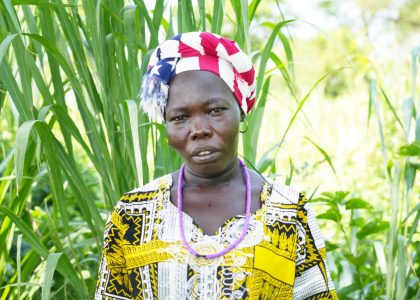

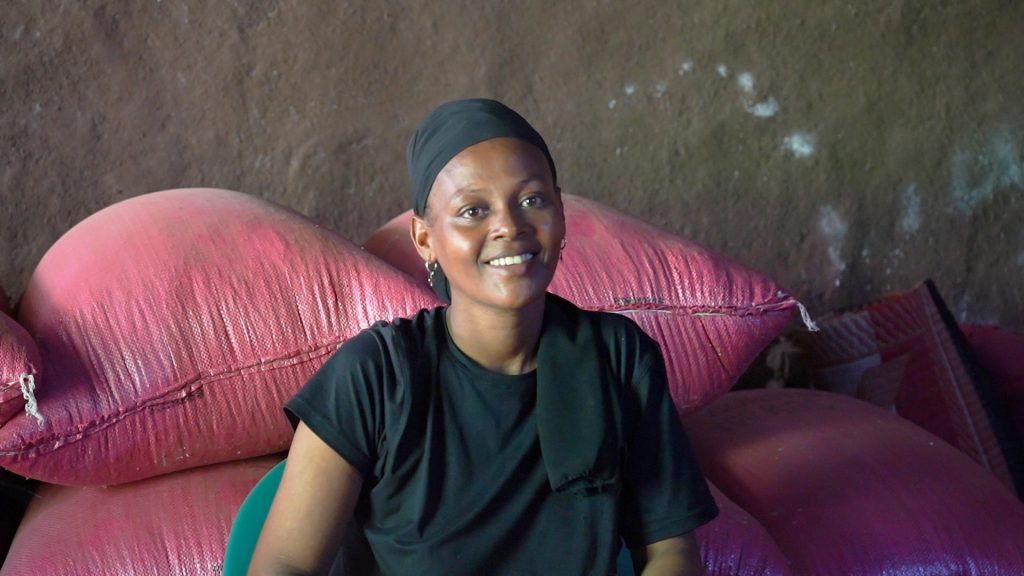
Every time Tigist Meskelu met her former classmates, she saw women whose lives seemed to be moving forward. Some had continued to college. Others had found employment and were earning their own income. She was happy for them, but each conversation reminded her of the dreams she had quietly put on hold.
“I kept asking myself, ‘What about me?'” Tigist recalls. “They were building careers while I was staying at home. I didn’t want to be left behind.” At 25 years old, Tigist lives in Mender 8, Abobo Woreda, in the Anywaa Zone with her husband and their three young children, one in kindergarten and two toddlers. After completing Grade 12, she had hoped to continue her education. Instead, marriage and motherhood came first, and the responsibilities of raising a family soon became her full time role.
Her husband worked hard to support the family on his modest government salary, while they also cultivated maize on a small plot behind their home. “The hardest part wasn’t just not having an income,” Tigist recalls. “It was the feeling that my life had stopped moving forward. Whenever I needed something, I had to ask my husband for it. I wasn’t continuing my education, I didn’t have a job, and I had no income of my own. That made me unhappy.”
She often told her husband that she wanted to return to college or start a small business. “I didn’t want to stay home feeling like I couldn’t contribute. I wanted to build something for myself and for my family.” rather than waiting for circumstances to change, Tigist took the first step herself. Using the little money she could access, she began buying small quantities of maize from nearby farmers and reselling it whenever she found a buyer. “It was a very small business,” she says with a smile. “But I wanted to prove to myself that I could do something.”
That determination found the support it needed when a friend told her about the NSSID Project, implemented by MELCA, Ethiopia as part of a consortium led by Farm Africa with support from the Swedish International Development Cooperation Agency (SIDA). After registering through her Kebele, Tigist joined the Melkam Self Help Group, one of twenty women and youth working together to strengthen their livelihoods.
“The project gave us much more than money,” she explains. “We received business management training, became part of a support group, and the project staff continued to mentor and encourage us. That gave me confidence.” Following the training, Tigist received a 7,000 Birr revolving fund, which she combined with 5,000 Birr from her own savings to expand her maize business.
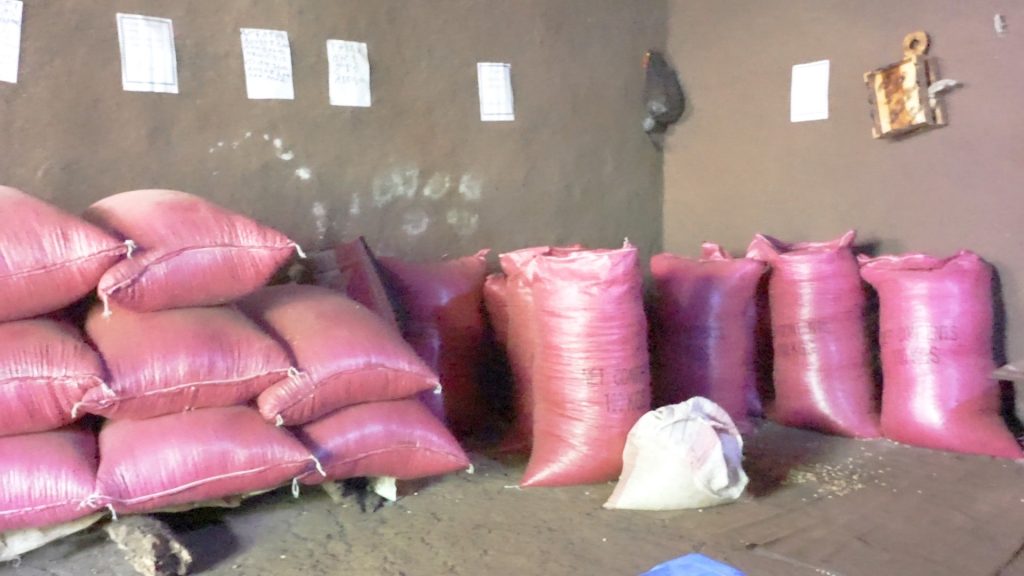
Instead of selling small amounts within her village, she began purchasing maize from smallholder farmers in surrounding communities and supplying it in bulk to markets in Gambella, significantly increasing both her sales and profits.
“I learned that businesses grow step by step,” she says. “You don’t have to start big. You just have to start.” he business soon began creating opportunities beyond maize trading. Rather than spending all of her profits, Tigist invested 5,000 Birr in a female goat.
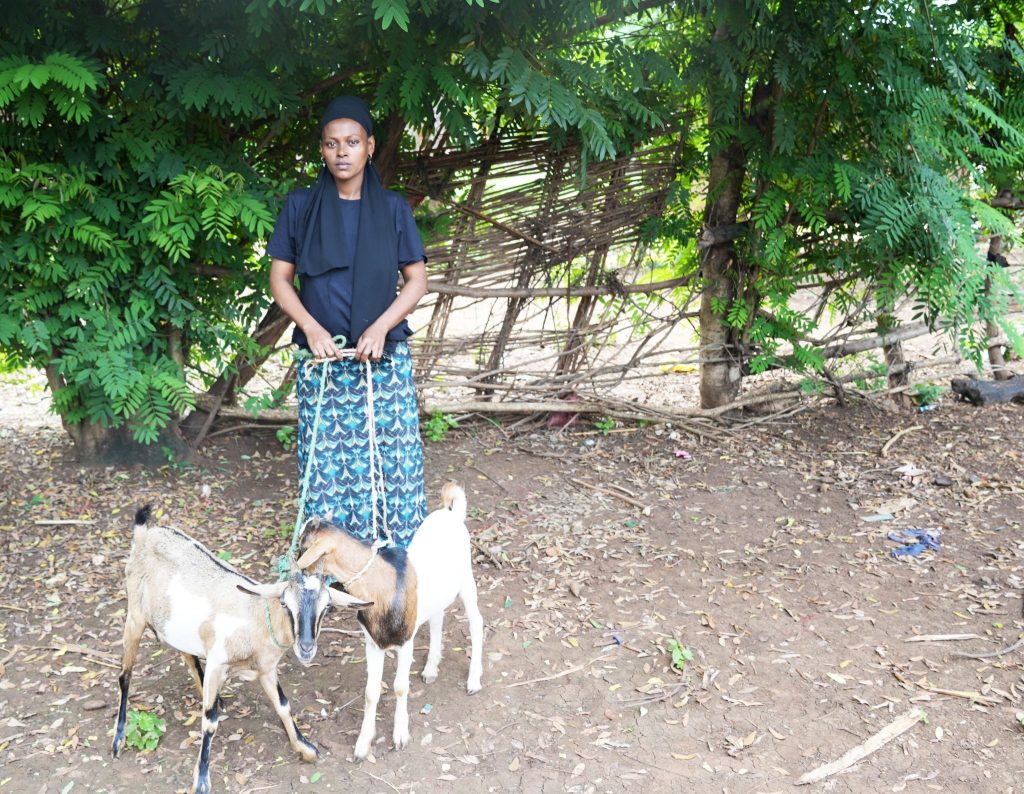
“Now she has already given birth, and she’s expecting another,” Tigist says proudly. “My business is helping me create other sources of income too.” She also saves 500 Birr every week through her local Equb.
Today, Tigist’s maize business continues to grow, but when she reflects on what has changed most, she doesn’t begin by talking about income. “I don’t have to ask my husband for every little thing anymore,” she says. “Now I contribute to our family’s income. I make plans. I make decisions. I feel useful. I feel confident.”
Her ambitions have grown alongside her business. She hopes to expand her maize trade, raise more livestock, open a permanent shop, and ensure that all three of her children complete their education. “I want my children to have opportunities that I couldn’t have,” she says. “Everything I’m building today is for their future.”
Tigist’s journey reminds us that economic empowerment is about far more than increasing household income. It is about restoring confidence, expanding choices, and giving people the freedom to shape their own future. With business skills, mentoring, and access to a modest revolving fund, Tigist transformed a small maize trade into a growing enterprise. More importantly, she rediscovered something she thought she had lost, the confidence that her future was still hers to build.