Environmental governance encompasses the principles, strategies, policies, practices, and institutional arrangements that guide relationships among actors and systems toward the protection, equitable use, and sustainable management of natural resources. Strengthening environmental governance is essential for conserving biodiversity and sustaining ecosystems while ensuring fair and inclusive access to natural resources. In this regard, efforts are directed toward empowering local communities, local […]
This program promotes resilient and sustainable food systems by enhancing soil health, agricultural biodiversity, farmer innovation, and local knowledge systems to strengthen food sovereignty and nutrition security. The program supports the adoption of agroecological approaches that integrate ecological, social, and economic principles to create productive and sustainable farming systems. Key interventions include soil and water conservation, the use of organic […]
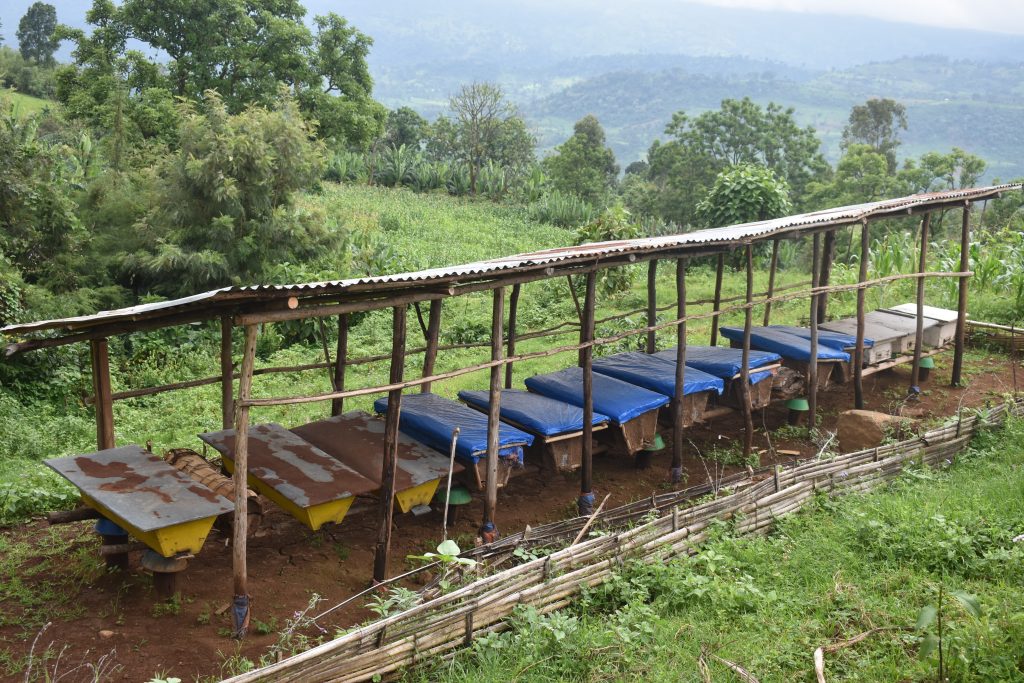
Eco-friendly social and economic empowerment program intervention encompass creating ecologically conscious communities that safeguard its natural resources and ecosystem services and promotion of eco-friendly income generating (livelihood) activities. These groups are mostly those organized in various natural resources management community groups such as PFM, Custodians of SNS, Community based Conservation groups, or those engaged in frequent soils and water conservation […]
Women, youth, and children have key roles, possess valuable knowledge, and serve as custodians of nature and biodiversity. They are endowed with important responsibilities, notably women in food production, agriculture, and traditional medicine. They can, therefore, serve as important agents and forces for change in environmental and bio-cultural stewardship. If they are proactively engaged, properly utilized, guided, empowered, learned from, […]