የፕሮጀክት አጠቃላይ እይታ
The project “Improving Local Communities’ Resilience to Climate Change through Conserving Ecosystems and Building Eco-friendly Livelihoods” (2022–2025) was implemented in Bale Zone, Ethiopia, to address the interlinked challenges of environmental degradation, climate vulnerability, and rural poverty. In a context where declining soil fertility, loss of biodiversity, and erratic rainfall were directly undermining livelihoods, the project adopted an integrated, community-driven approach that combined ecosystem restoration with sustainable livelihoods and social empowerment
It worked through the conservation of bio-cultural sites, promotion of agro-ecological farming, and strengthening of local knowledge systems, while placing particular emphasis on engaging women, youth, and traditional institutions as central actors in building resilience.
Project Results
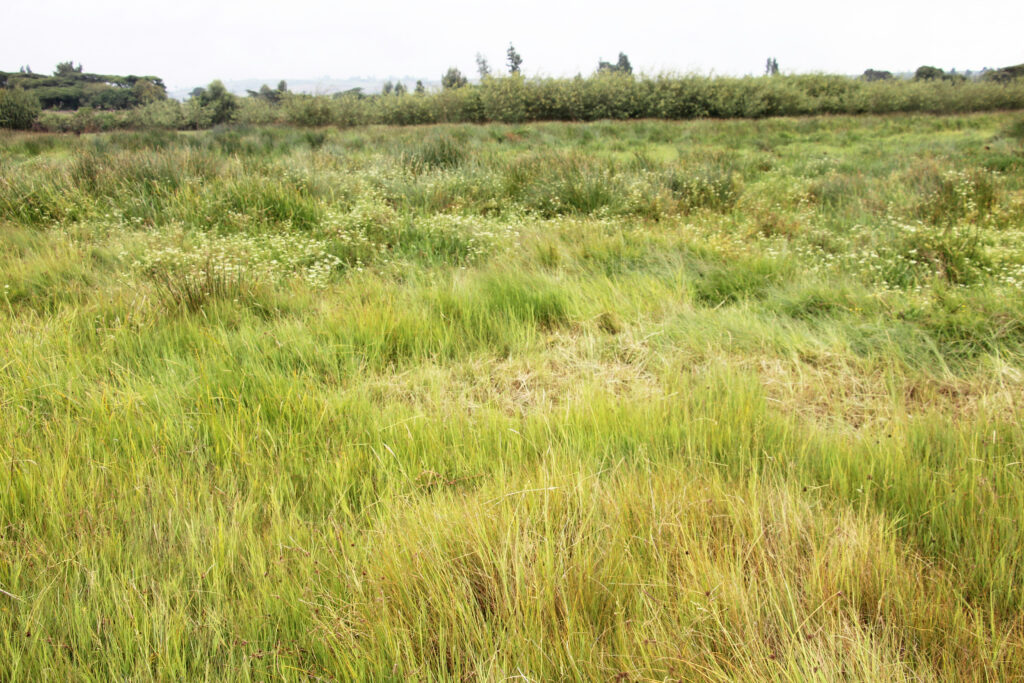
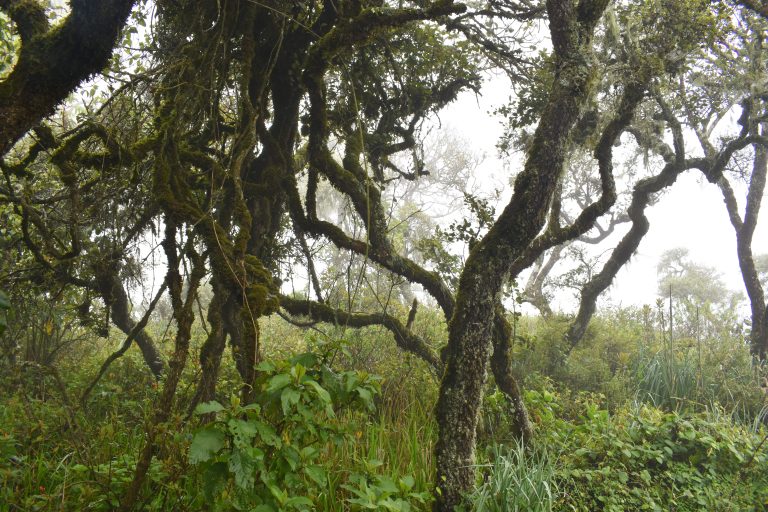
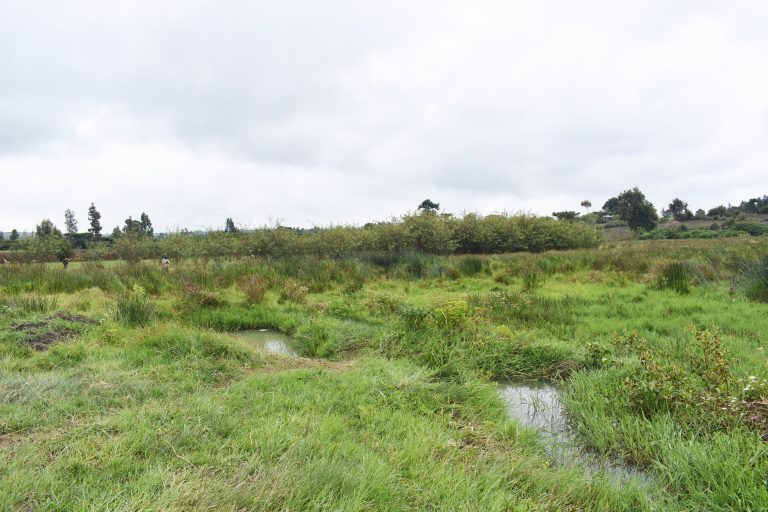
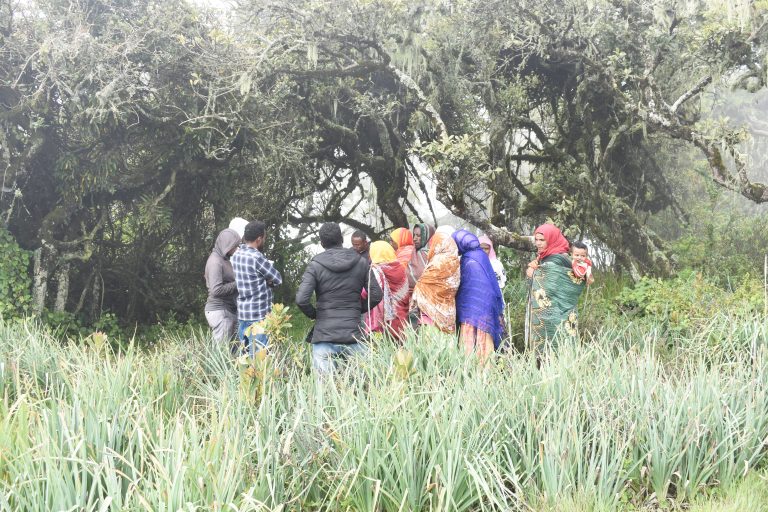
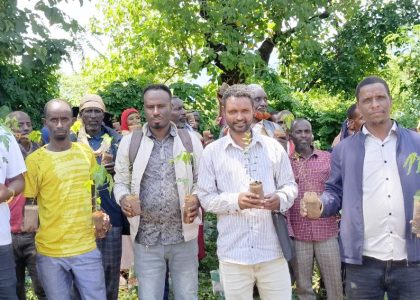
Over the past three years and nine months, the project achieved significant results in restoring degraded ecosystems while improving the resilience and well-being of target communities. Through sustained awareness creation, community mobilization, and the engagement of local custodians, the project rehabilitated and conserved 18 important ecosystems and bio-cultural sites across four woredas, covering a total area of 102.3 hectares. These include 8 Sacred Natural Sites, 5 community conserved areas, and 5 wetlands. The sites were demarcated, mapped, legally recognized, fenced, and supported through natural regeneration and enrichment planting. In addition, 55,470 indigenous tree seedlings were planted in the conserved sites, while 34,768 seedlings were planted in households, schools, and institutional compounds through the tree guddifecha approach, with an average survival rate of 85 percent recorded in August 2025.
These interventions generated clear ecological and social benefits. The rehabilitated sites have supported the return of key wildlife species, including bushbucks, Colobus monkeys, and Turaco birds, while also reducing soil erosion, improving pasture availability, and strengthening community resilience to climate change. At the same time, the project helped revive cultural values, traditional ecological knowledge, and conflict resolution practices that are closely linked to sustainable natural resource management. The combination of legal recognition, community stewardship, and collaboration with local government has strengthened the long-term protection and sustainability of these sites. In parallel, a draft regional regulation for the legal recognition of Sacred Natural Sites has advanced through zonal validation and regional-level advocacy.
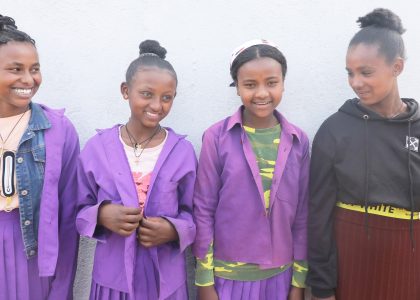
The project also made notable progress in youth engagement and behavioral change. Climate change awareness campaigns reached 3,580 community members, helping to deepen understanding of climate risks and encouraging practical responses such as environmental stewardship, tree planting, and adoption of agro-ecological practices. To strengthen youth participation, eight SEGNI school clubs were established in eight schools with 500 members, and these clubs have become active platforms for eco-advocacy, documentation of traditional knowledge, and promotion of sustainable agriculture. The commitment of the Bale Zone Education Department to include SEGNI clubs as mandatory school clubs is an important step toward institutional sustainability.
A further cross-cutting achievement was the project’s contribution to Population, Health and Environment integration and improved family planning uptake. Through awareness and capacity-building activities that reached 3,097 school club members, community representatives, and government stakeholders, the project strengthened understanding of the linkages between population dynamics, health, and environmental sustainability.
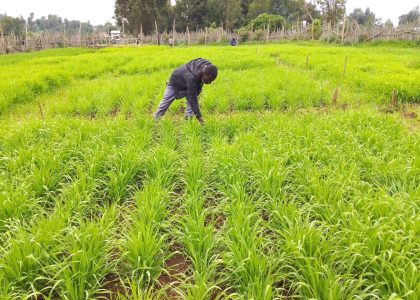
Under the livelihoods outcome, the project helped communities reduce the cycle of poverty and environmental degradation by promoting eco-friendly, sustainable income-generating activities. Four hundred smallholder farmers were trained in agro-ecology, and 360 received practical inputs and technical support, while 300 fully shifted from conventional farming to agro-ecological practices. This transition improved soil fertility, reduced dependence on chemical inputs, and enhanced food security and nutrition.
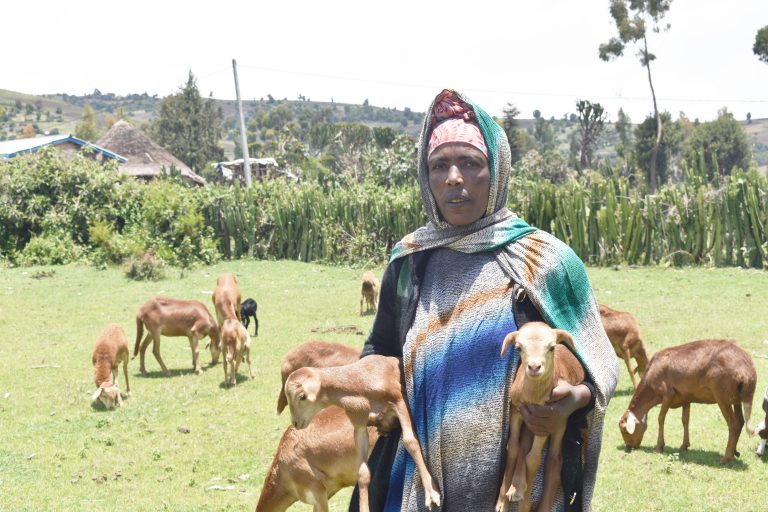
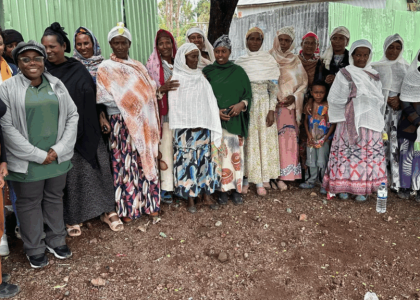
The project also created new income opportunities for women and youth without farmland. A total of 227 beneficiaries were supported in beekeeping, sheep rearing, home gardening, and apple production, surpassing the original target. Honey production, sheep multiplication, vegetable sales, and emerging apple harvests are already generating meaningful income and strengthening household assets. Likewise, 200 women were organized into 10 self-help groups, trained in business and financial management, and supported through revolving funds totaling ETB 2.15 million.
Their combined savings and capital have grown to more than ETB 3.1 million, while average monthly income among members increased from ETB 2,274 to ETB 6,616, representing more than a 200 percent rise.
Overall, the project achieved its intended objectives despite being shortened by one year and three months. Its results are reflected not only in restored ecosystems and improved livelihoods, but also in stronger women’s empowerment, youth participation, community ownership, and government commitment to sustainability. The handover to zonal and woreda government offices through an MoU further strengthens the prospects for sustaining and scaling these gains beyond the project period.