የፕሮጀክት አጠቃላይ እይታ
The Bale Eco-region (BER) is located in the Oromia Region and consists of sixteen districts (locally known as Woredas) in the Bale and West-Arsi Zones which is one of 34 global biodiversity hotspots which contain more than 1500 species of vascular plants as endemics. The Eco-region is the African continent’s largest Afro-alpine habitat, a globally important area of biodiversity and the water catchment for five major river systems, serving over 12 million people across arid lowlands in the downstream.
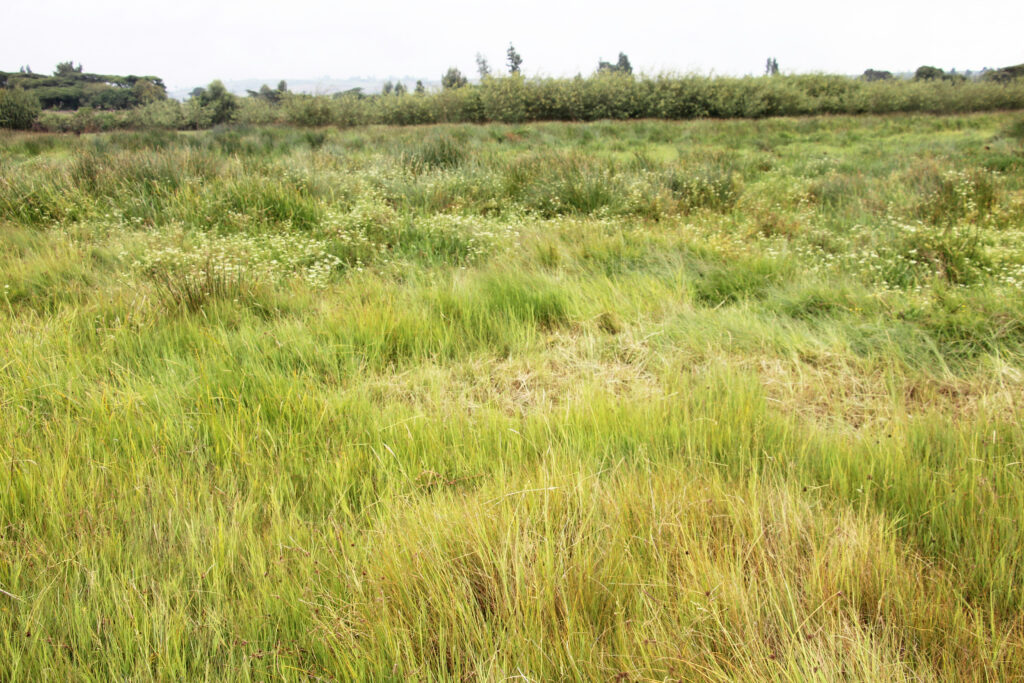
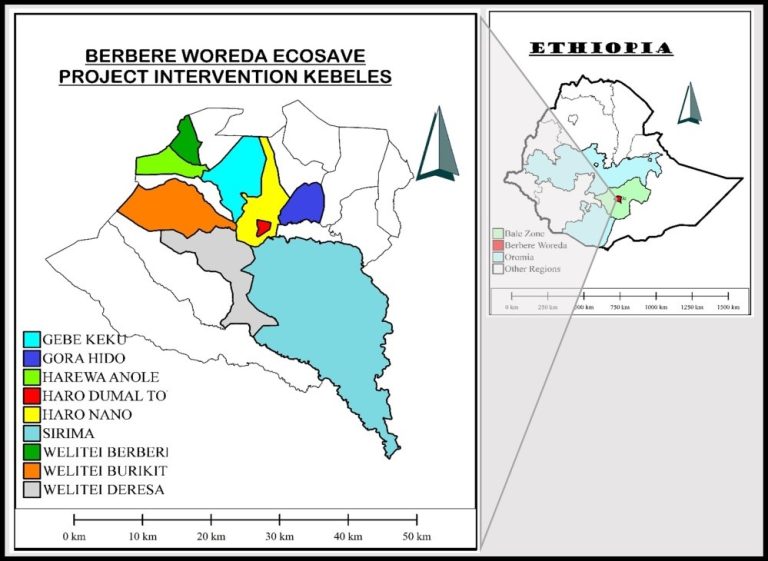
In the higher altitude also the expansion of cropland pushes the Afro-alpine region boundary and damage the ecosystem important for ecotourism. These threats encountering the Eco region are strongly felt in Berbere Woreda, in the foothills of the Bale Mountains and populated by pastoral and agro pastoral communities.
This unique ecological area is home to 26% of Ethiopia’s endemic flora and fauna and numerous species on the International Union for Conservation of Nature (IUCN) Red List.
In spite of all the resources and ecosystem services potential the BER is suffering from detrimental anthropogenic threats in every direction and aspect. Accordingly, its unique biodiversity and other ecological integrity are under continuous threats. Deforestation for agricultural expansion and consequent land and forest degradation, encroachment of protected areas, overgrazing, unsustainable fuel wood and timber extraction, Disturbance of the water systems, unsustainable agricultural practices and extensive soil erosion, unregulated rural and urban settlement expansion which is occurring at the expense of forests, woodlands and natural vegetation and forest fire.
Such anthropogenic threats are mainly driven by rapid population growth, poverty and lack of cross-sector integration of actors responsible for sustainable NRM, weak market access and poor capacity to implement a coordinated and integrated multi-sectoral approach to planning. These, coupled with impacts from climate change, are influencing its unique flora and fauna and both lowland and highland communities that depend on the BER’s ecosystem services
These pressures are recently triggering flood hazard, soil erosion, water shortage and drought in the lower altitudes. As a result, drought prone areas especially those located in the lower riparian region of BER are recurrently experiencing chronic food and water shortage, more frequent flash floods; conversion of perennial rivers into ephemeral springs and streams for extended period of the year has been also observed.
In the higher altitude also the expansion of cropland pushes the Afro-alpine region boundary and damage the ecosystem important for ecotourism. These threats encountering the Eco region are strongly felt in Berbere Woreda, in the foothills of the Bale Mountains and populated by pastoral and agro pastoral communities.
Hence, a consortium of three partner organizations- WaterAid Ethiopia, MELCA-Ethiopia and Madda Walabu University led by WaterAid Ethiopia collectively proposed a project Intervention named – ECOSAVE –A sustainable Solution for Bale Eco region, a project funded by the Jersey Oversee Aid. The three consortiums comprise development, conservation and research organizations and we believe this joint approach is key to addressing the eco-region’s multi-faceted problems.
Project Goal Objective
Project Goal/aim is to showcase how protecting water can transform ecosystems and people’s livelihoods through improving WASH access, re-foresting watersheds, supporting regenerative agriculture, boosting women’s enterprises and sharing our learning’s to create sustainable impact for people and the planet in one of the sixteen Woredas of Bale Eco Region_Barbare Woreda (that is Barbere Woreda).
The project will harness the expertise, experience as well as the extensive technical and operational knowledge of the two NGOs over the past 20 years and , and academic institutions to deliver an ambitious integrated environmental, sustainable and inclusive Development, and climate resilience project that will respond to these identified challenges. Three consortiums comprise development, conservation and research organizations and we believe this joint approach is key to addressing the eco-region’s multi-faceted problems.
The project is intended to improve WASH access, re-forest watersheds, support regenerative agriculture, boost women’s enterprises and share our learning’s to create sustainable impact for people and the planet in Barbare District, Oromia Region, Ethiopia. The goal of the project will be achieved through five key mutually reinforcing outcomes (General objectives) working with partners and communities in Berbere District:
Outcome 1: Improved climate resilient management of, and access to, safe and sustainable water resources;
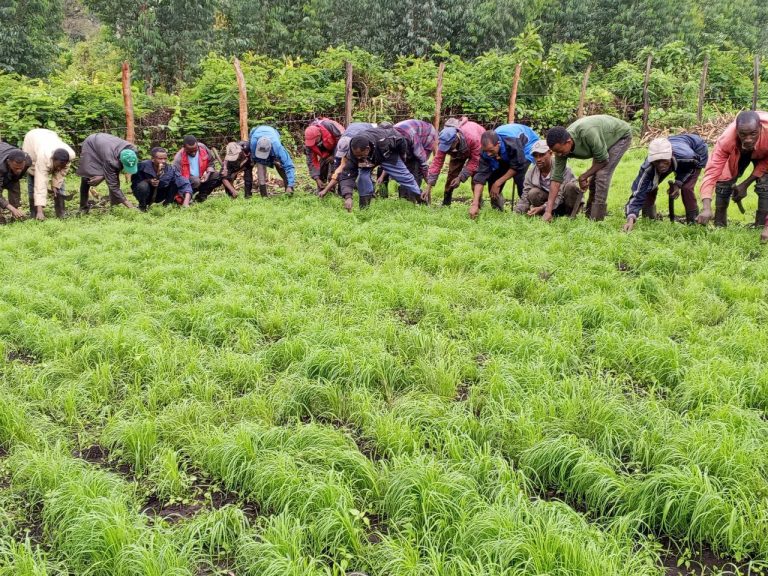
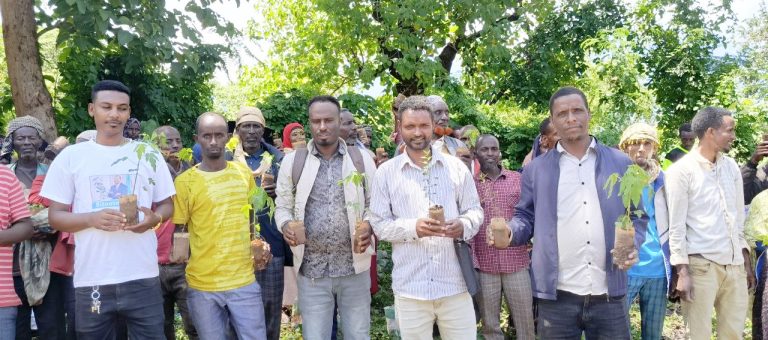
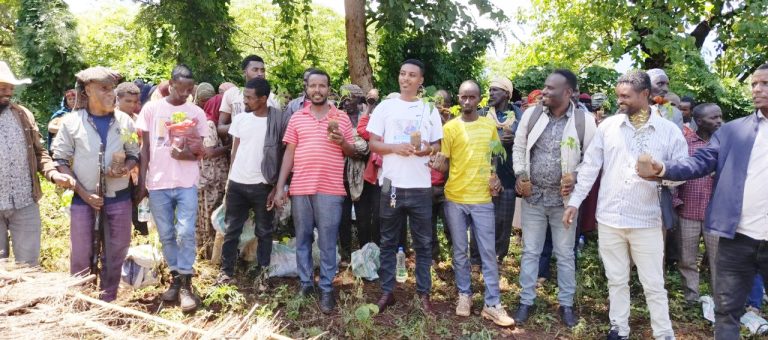
Outcome 2 : Increased action by women and communities to re-forest the watershed in target areas, supporting improved soil health and associated groundwater recharge
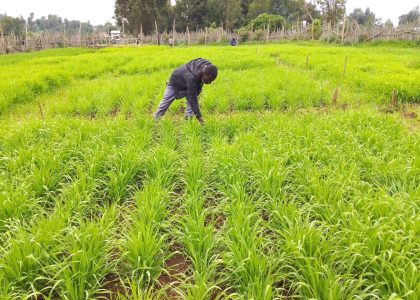
Outcome 3: Soil conservation and regenerative practices are increasingly applied by Agro-pastoralists
Outcome 4: Strengthened community level disaster risk reduction (DRR) committee and early warning (EW) committee established and trained which will support people to adapt to climate change-related events and
Outcome 5: Improved coordination and knowledge-sharing on natural resource conservation between communities, NGOs and local and national government.
Hence, among the outcome identified by the project outcome 2 (Increased action by women and communities to reforest the watershed in target areas, supporting improved soil health and associated groundwater recharge within Berbere and Outcome 3 (Soil conservation and regenerative practices are widely and increasingly applied by agro pastoral in Berbere is under implementation by MELCA Ethiopia.