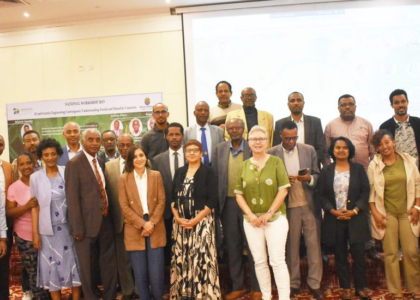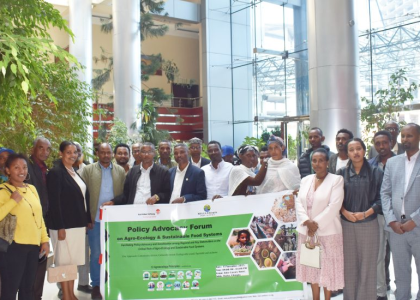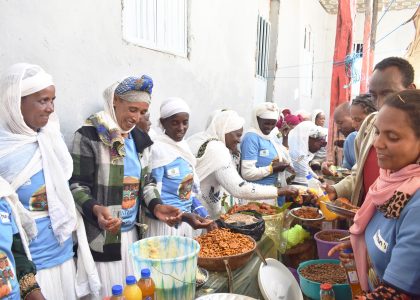

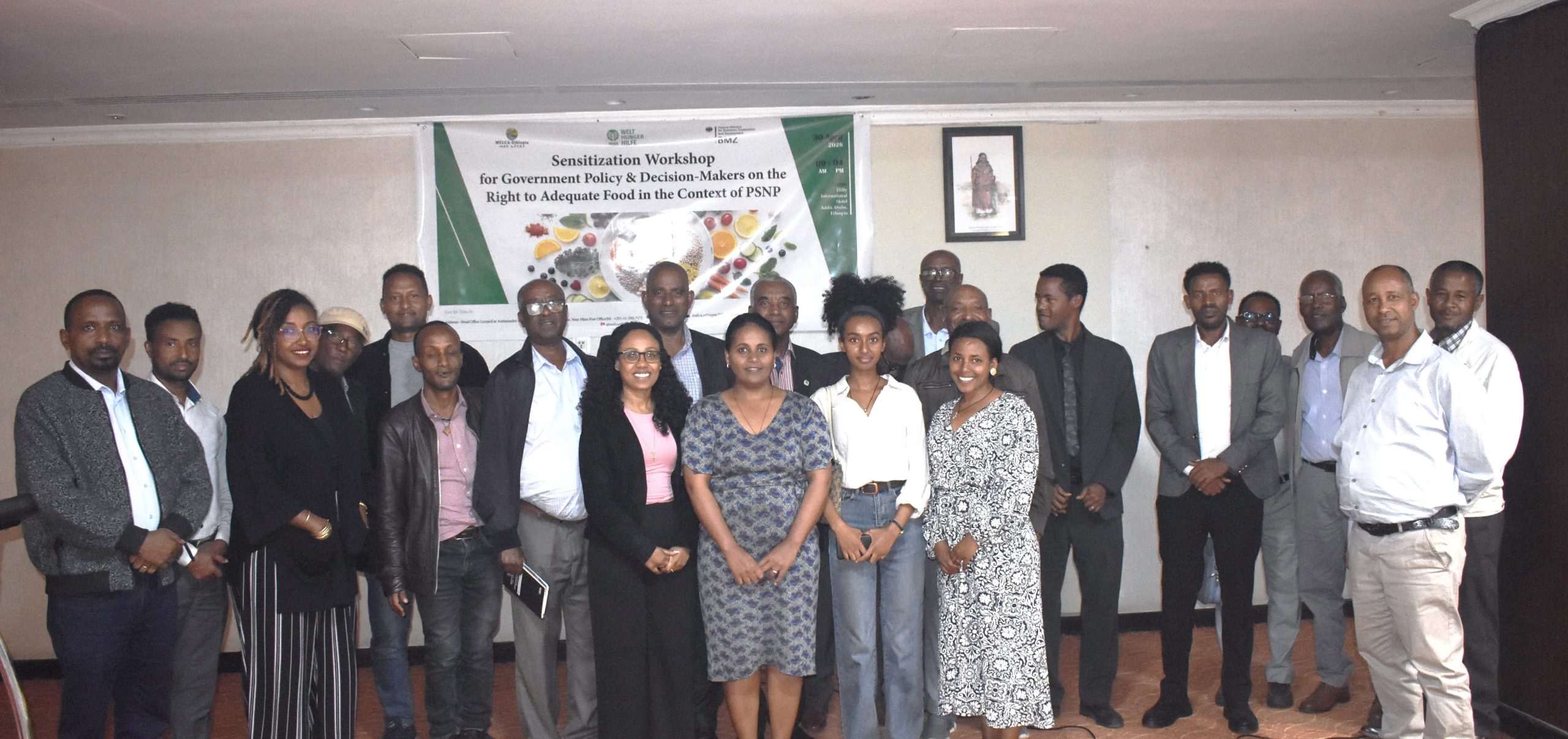
MELCA-Ethiopia, in collaboration with Welthungerhilfe (WHH), organized a sensitization workshop for policy and decision makers on the Right to Adequate Food in the context of the Productive Safety Net Program (PSNP) on April 30, 2026 at Elilly International Hotel in Addis Ababa.
The workshop brought together participants from Ministerial Offices, the House of Federation, Civil Society Organizations (CSOs), and other development partners to strengthen understanding on the right to adequate food, food and nutrition security, and policy implementation in Ethiopia.
Ethiopia is a signatory to several international and regional human rights instruments that recognize the right to adequate food as a fundamental human right. The workshop emphasized the importance of translating these commitments into concrete policies, strategies, and programs that ensure citizens have access to sufficient, safe, and nutritious food.
The event was organized under the “Right to Food Africa Program: Policy to Plate” project, which MELCA-Ethiopia is implementing in collaboration with WHH. The project aims to contribute to the progressive enactment of inclusive legal frameworks, policies, and programs, while enhancing awareness and implementation capacity among policy & decision makers and stakeholders.
Opening the workshop, MELCA – Ethiopia’s Program Director Mr. Mersha Yilma introduced the workshop agenda and invited MELCA – Ethiopia’s Director Mr. Solomon Kebede to deliver welcoming remarks.
In his remarks, Mr. Solomon highlighted the relationship between the “Policy to Plate” project and the government’s Productive Safety Net Program (PSNP). He emphasized that the right to food is one of the basic human rights and underlined the contribution of PSNP to food security in Ethiopia. He further noted the importance of accountability from both policy and decision makers and right holders in realizing food and nutrition security.
Representing WHH, Naomi Berhanu shared the organization’s commitment to ensuring citizens’ right to food through collaboration with MELCA-Ethiopia and other stakeholders. She expressed WHH’s interest in working together with CSOs, government institutions, and development actors to advance the realization of the right to adequate food.
The workshop featured presentations from experts and government representatives focusing on food security policies, nutrition security, and legal frameworks related to the right to food.
Mr. Alembirhan Woldegerima presented an overview of national food security policies, strategies, and current food security programs implemented by the government. He explained the evolution and contribution of PSNP since its establishment in 2005, noting that the program serves millions of beneficiaries and remains one of the largest social protection programs in Africa.
The presentation highlighted the linkage between PSNP, food security, and the right to adequate food. Through predictable transfers, community asset building, and climate-resilient practices, PSNP contributes to protecting livelihoods, reducing vulnerability, and strengthening resilience among beneficiary communities.
Dr. Yoseph Halala presented on food and nutrition security in the context of PSNP and the right to food. His presentation explored current national nutrition frameworks, including the National Nutrition Program, Nutrition Sensitive Agriculture Strategy, Food Safety and Quality Strategy, and Seqota Declaration.
The discussion emphasized that nutrition security goes beyond food availability and accessibility and also includes care, health, and dietary quality. The presentation also highlighted the importance of food-based dietary approaches that build on local food systems, cultural knowledge, and sustainable food solutions to address malnutrition and improve nutrition outcomes.
Legal expert Dr. Mellese Damtie addressed the policy and legal dimensions of the right to food in the context of PSNP. He emphasized that the right to adequate food is unconditional and should be upheld at all times.
The presentation further underlined the importance of aligning national policies and implementations with international and regional human rights frameworks. Community participation, accountability, and practical implementation of the right to food were identified as essential for ensuring inclusive and sustainable outcomes.
The workshop also included a panel discussion facilitated by representatives from MELCA-Ethiopia, WHH, and partner organizations. Discussions highlighted the importance of grievance redress mechanisms, institutional coordination, accountability, and stronger collaboration among government institutions, CSOs, and communities.
In the closing session, representatives emphasized the need for attitudinal change among both policy and decision makers and right holders, strengthened participatory approaches, and continued collaboration to realize the right to adequate food in Ethiopia.
The workshop concluded with a shared understanding that ensuring the right to adequate food requires coordinated action, awareness creation, community participation, and sustained commitment from all stakeholders.