
Environmental governance encompasses the principles, strategies, policies, practices, and institutional arrangements that guide relationships among actors and systems toward the protection, equitable use, and sustainable management of natural resources.
Strengthening environmental governance is essential for conserving biodiversity and sustaining ecosystems while ensuring fair and inclusive access to natural resources. In this regard, efforts are directed toward empowering local communities, local governments, and other relevant stakeholders to effectively manage biosphere reserves and community conserved areas.
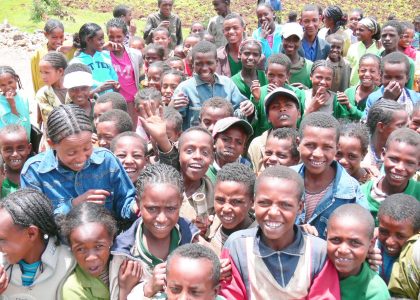
The program also promotes stronger coordination and collaboration among actors engaged in biosphere reserve management, while enhancing awareness and integration of biosphere reserve concepts within schools and the wider community.
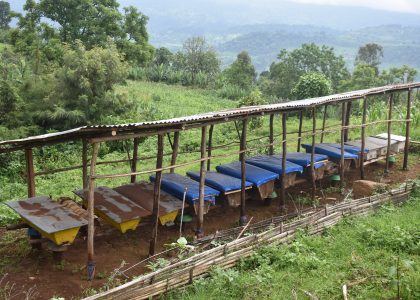
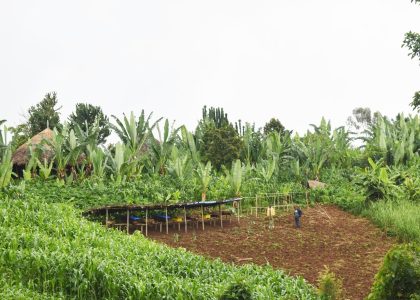
In addition, emphasis is placed on developing community-centered approaches and governance mechanisms that enable local communities to derive equitable benefits from biosphere reserves, including through the sustainable use of non-timber forest products. Support is further provided for community-led bylaws and local governance systems that strengthen the protection, responsible utilization, and long-term sustainability of biosphere reserves and community conserved areas.
Program Goal
To contribute to the creation of enabling policies, formal and informal practices, approach/model and institutional conditions that promotes inclusive and meaningful conservation and sustainable use of natural resources.
Program Outcomes
a. Target beneficiaries organized and adopted natural conservation methods
b. Important biodiversity hotspots protected and conserved and ecosystem service enhanced
c. Knowledge, skills and sustainable and locally relevant Environmental Governance models owned and practiced
d. Scientific and TEK based Environmental Governance curriculum developed and mainstreamed into formal and informal education system
e. Fair and equitable resources use and benefit sharing as well as nature based solutions realized
f. Useful data generated for evidence based for public awareness, decision making, and sustainable resources management
g. Partnership and networking for sustainable Environmental Governance strengthened and established
Program Strategies
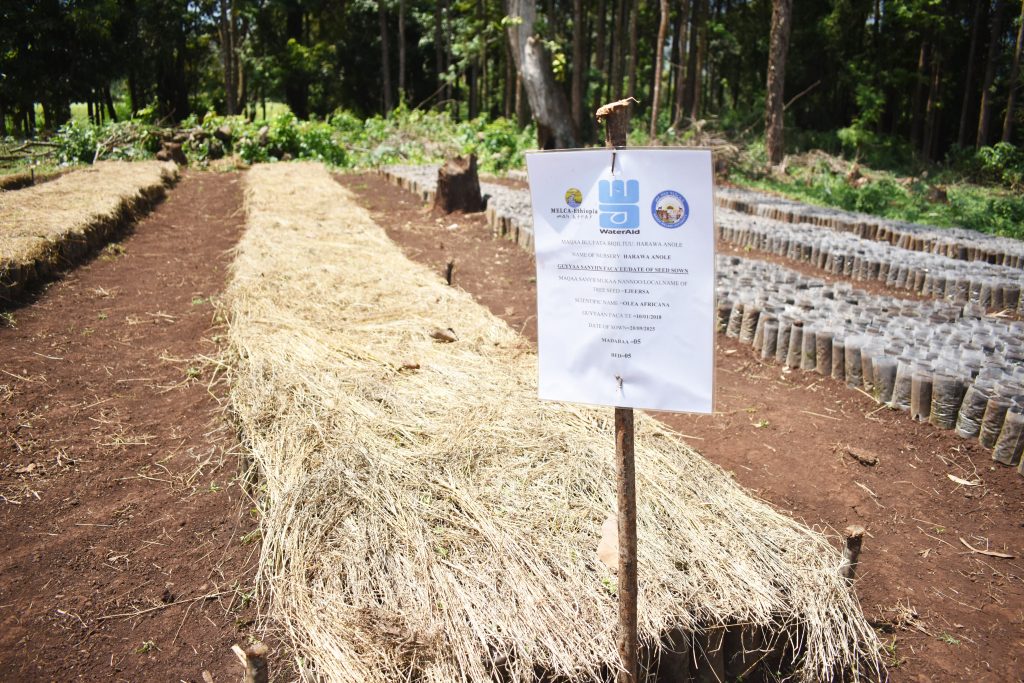
a. Promoting eco-friendly biological and physical nature
conservation methods;
b. Promote adoption of various nature conservation approaches, such as Gudeficah, PFMA, CCAs, Participatory 3 dimensional Mapping, etc. for the conservation of critical biodiversity and bio-cultural hotspots.
c. Promoting resources use conflict management practices
d. Empowering of communities, local governments and other stakeholders –technical and material support
e. Promote research and publication on EG law implementation
f. Establish partnership and networking for policy and practice advocacy for sustainable Environmental Governance
g. Organize bio-cultural events
h. Engage private sector –eco investment
i. Promote inclusive, equity, fairness and right based approach in Environmental Governance
Program Activities
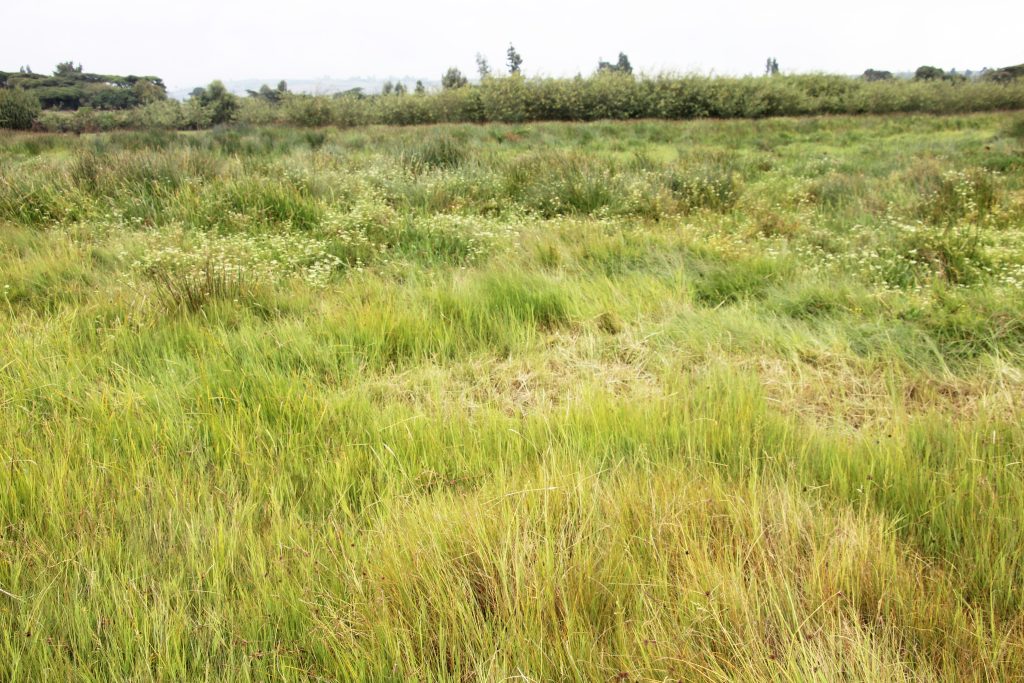
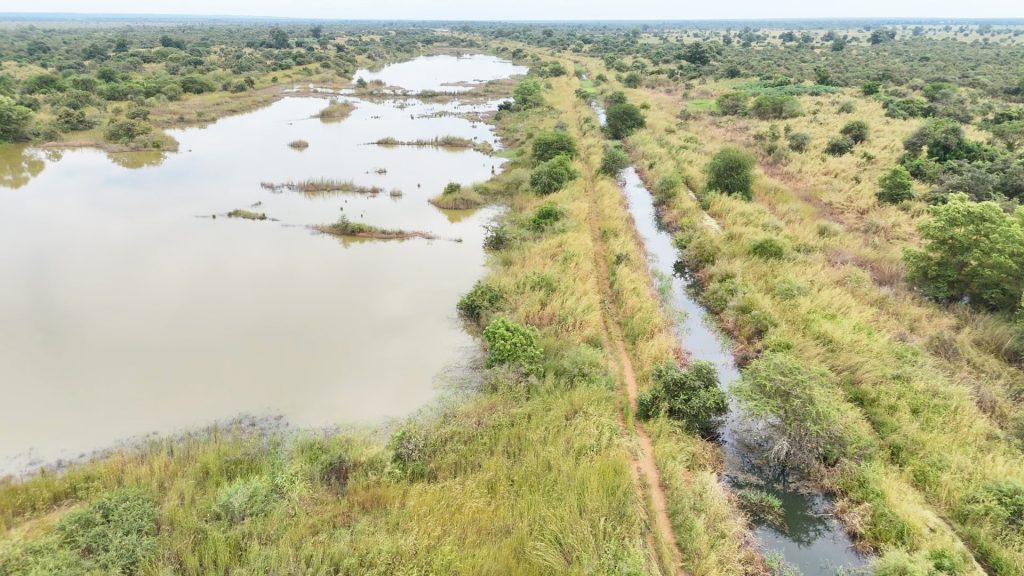
Conservation of Wetlands
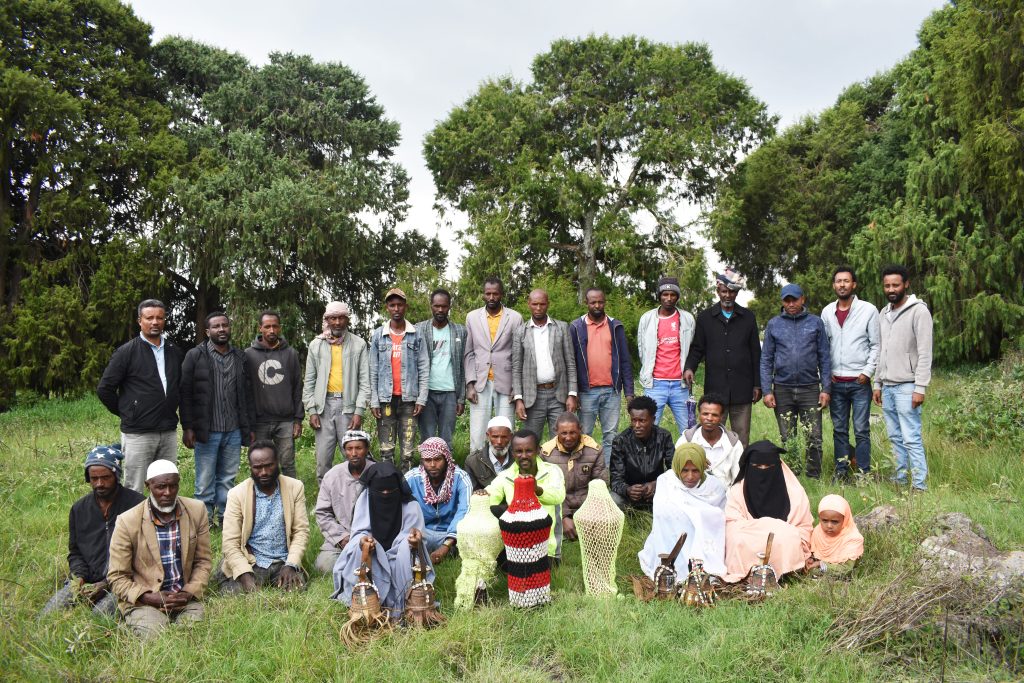
Conservation of Scared natural Sites
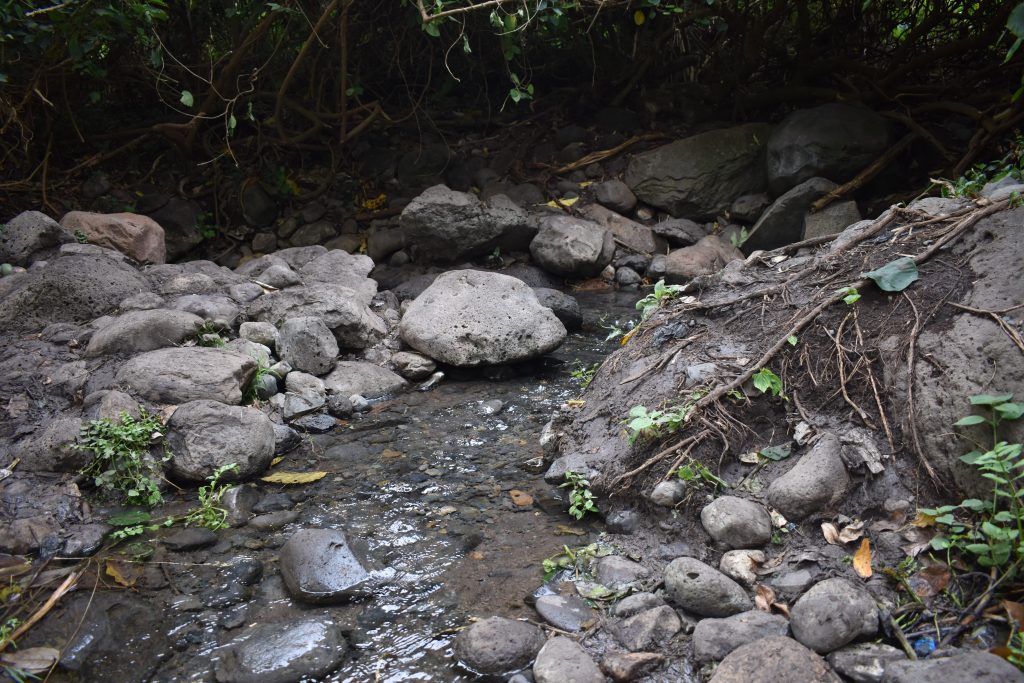
Promoting resources use conflict management practices
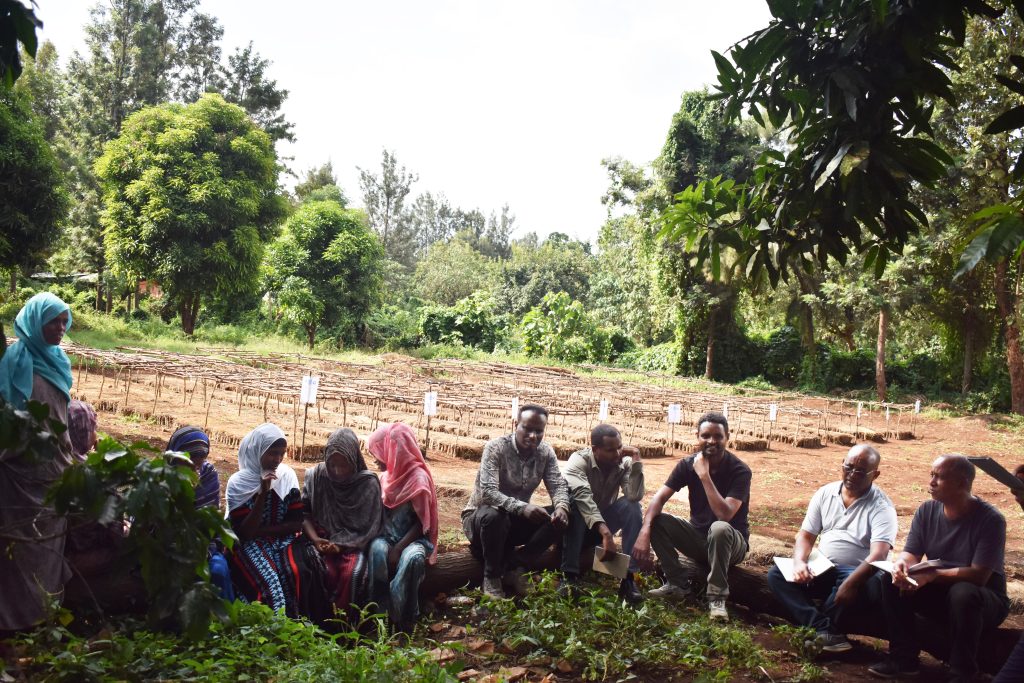
Empowering of communities, local governments and other stakeholders technical and material support
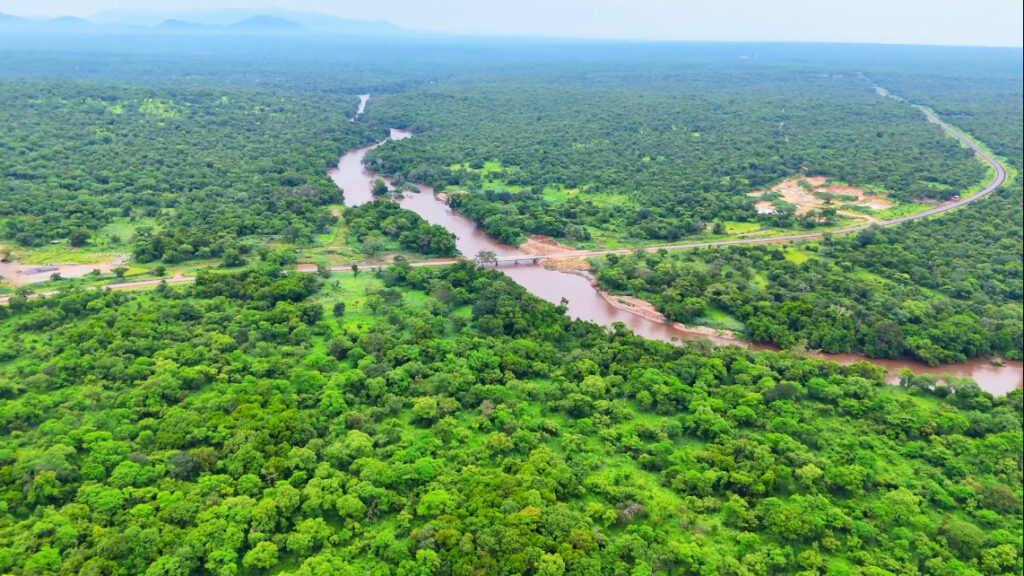
Promote research and publication on EG law implementation
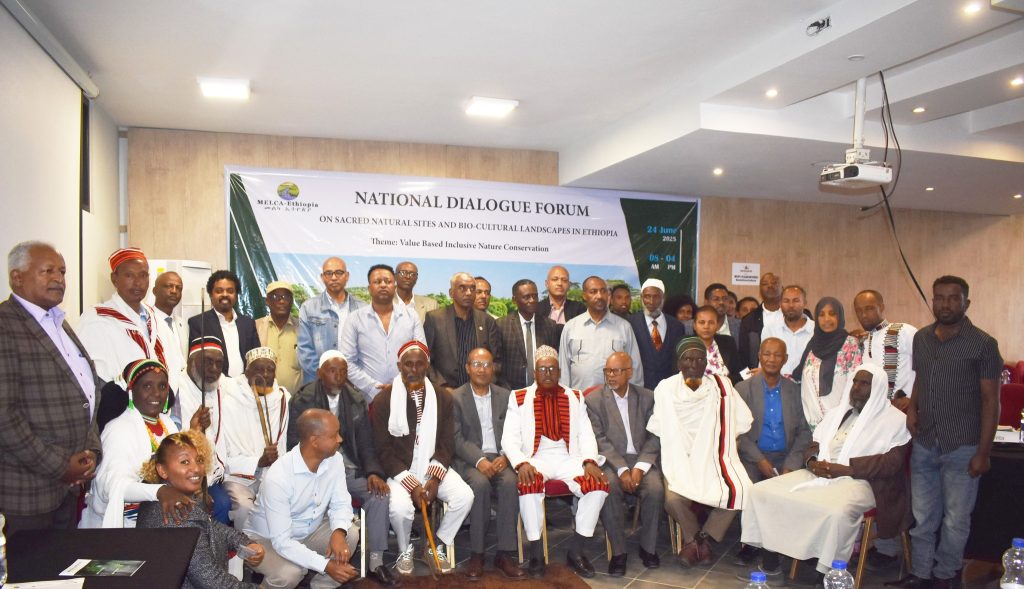
advocacy Platforms
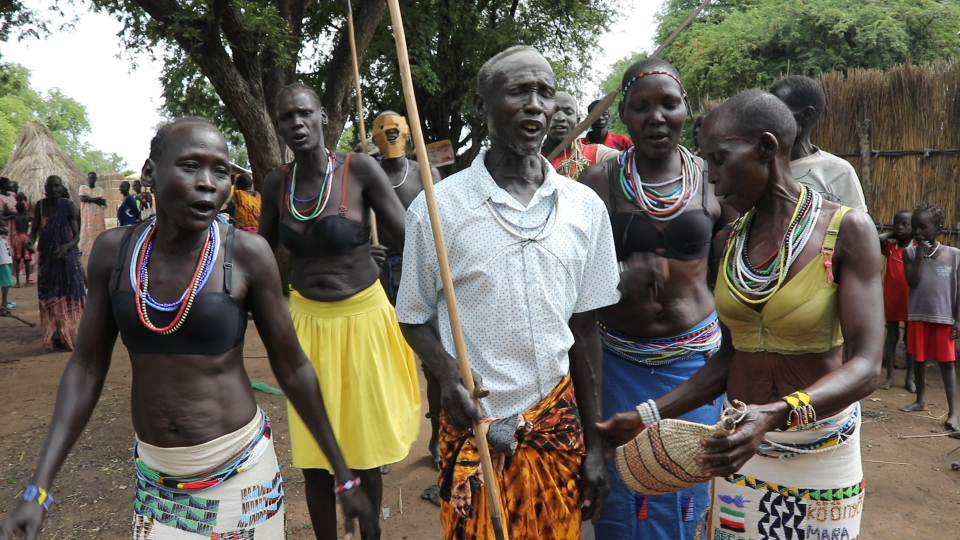
Bio - cultural Events