Back

Sustainable Food Systems & Agroecology Program

This program promotes resilient and sustainable food systems by enhancing soil health, agricultural biodiversity, farmer innovation, and local knowledge systems to strengthen food sovereignty and nutrition security.

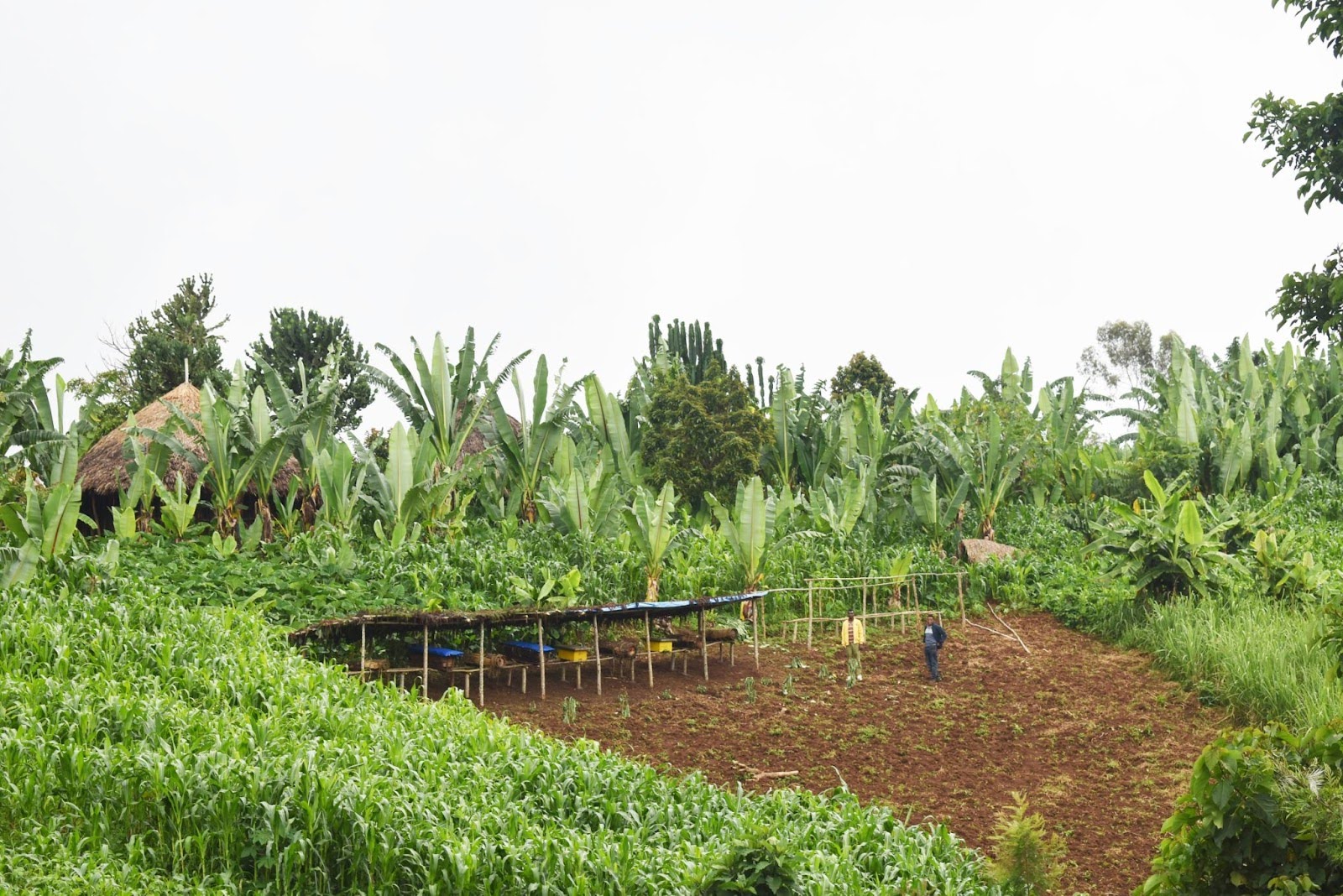
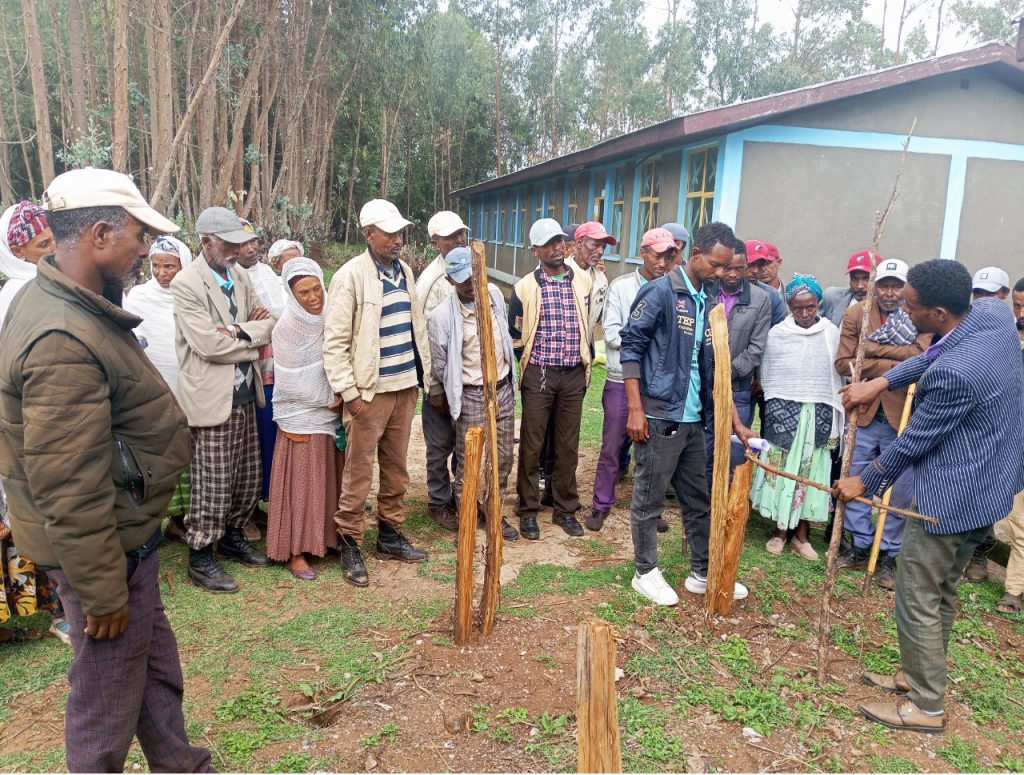
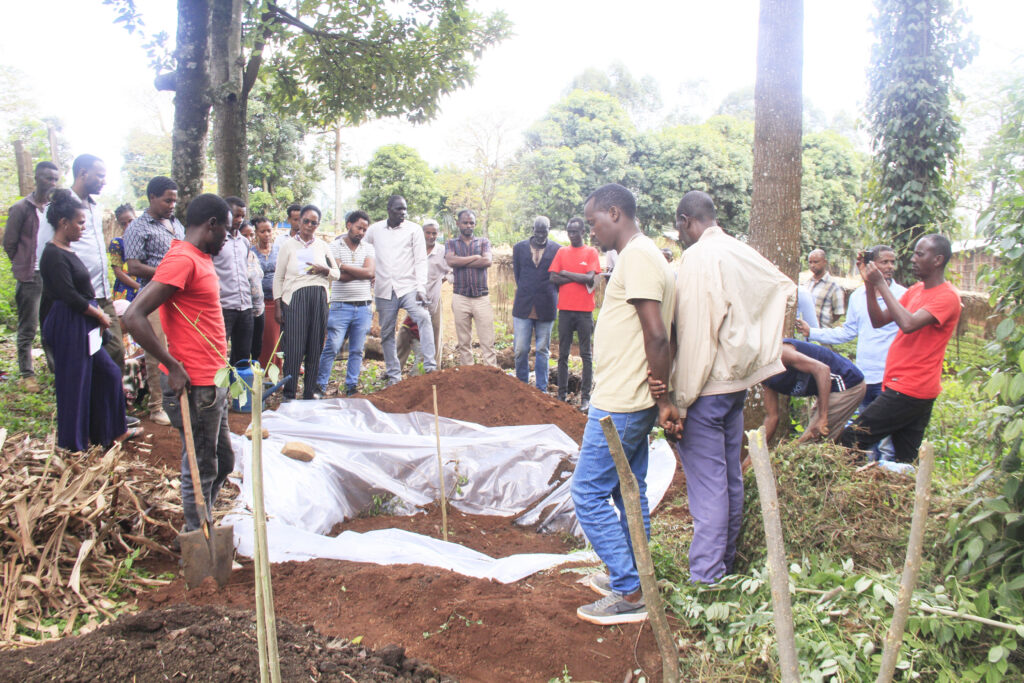
The program supports the adoption of agroecological approaches that integrate ecological, social, and economic principles to create productive and sustainable farming systems. Key interventions include soil and water conservation, the use of organic and environmentally friendly agricultural inputs, sustainable farming practices, & local seed conservation. These approaches build on local knowledge while encouraging practices that restore soil fertility and maintain ecological balance.

Through agroecology, the program contributes to climate resilience, improved livelihoods, and sustainable natural resource management. It promotes locally rooted food systems, strengthens smallholder and family farming, and supports food sovereignty, social equity, cultural identity, and the conservation of indigenous seeds. By reducing dependence on external inputs and enhancing natural biological processes, agroecological practices help create healthier ecosystems, more resilient farming communities, and sustainable agricultural production.
Program Goal

To contribute to the formulation, promotion and adoption of agricultural and food system policy and practices that are agro-ecologically sound and socio-culturally appropriate, equitable, just and locally empowering through enhancing farming and indigenous communities’ capacity as key agents of change.

Program Outcomes

a. Ecological Outcomes

  • Positive synergies in the agro-ecosystem created
  • Improved nutrient and material cycles in the production system for resources use efficiency
  • External toxic inputs minimized & integrated pest management strategies adopted
  • Soil health and fertility maintained
  • Agro-biological diversity revitalized and restored
  • Resilience to Climatic Variations Built
  • Enhanced local ecological services (GHG management, water and biodiversity resources, etc)
  • Agro-system revitalized and conserved

b. Economic outcomes

  • Short and fair value chains created
  • Local economic cycles/local market strengthened
  • Income diversified (e.g. crop animal integration)
  • Expenses on external inputs reduced
  • Local employment opportunity created

c. Socio-cultural Outcomes

  • Value of communities’ identity, knowledge and innovations recognized
  • Horizontal knowledge transfer realized
  • Gender equality and social equity realized
  • Healthy, culturally appropriate diet adapted
  • Quality of life in rural areas improved

d. Political Outcomes

  • Autonomy over and access to seeds, land, water, knowledge and inputs attained
  • Co-decision making by producers and consumers
  • The right to food, access and benefits sharing realized,
  • Agroecology and food system policy enacted and being implemented
  • Policy and practice coherence attained
  • Inclusion and representation of vulnerable community groups ensured
  • Local level food and seed sovereignty ensured

Program strategies

a. Promoting ecologically sound agricultural inputs
b. Promoting beneficiaries’ agro-ecological best practices
c. Enhancing agroecological technical skills and agri-business knowledge
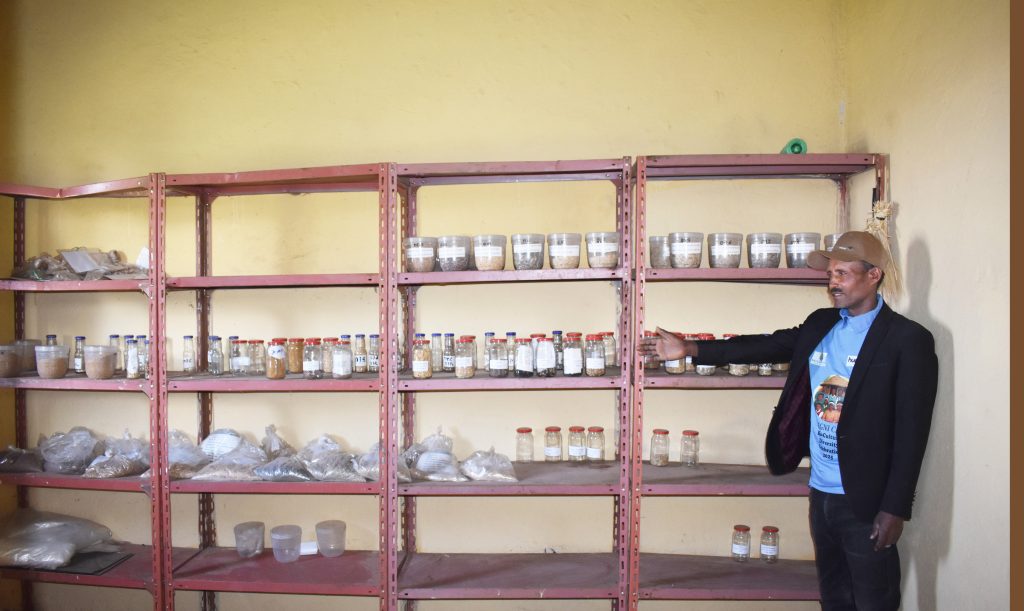
d. Establishment of community managed seed bank
e. Conducting food and seed fair
f. Policy advocacy and networking
g. Creation of critical mass and local ownership
h. Promoting participatory variety selection and co- creation of knowledge
i. Conducting agriculture and food system related studies and research

Program Activities

Natural Fertilizer Preparation Training

Natural Fertilizer Preparation Training

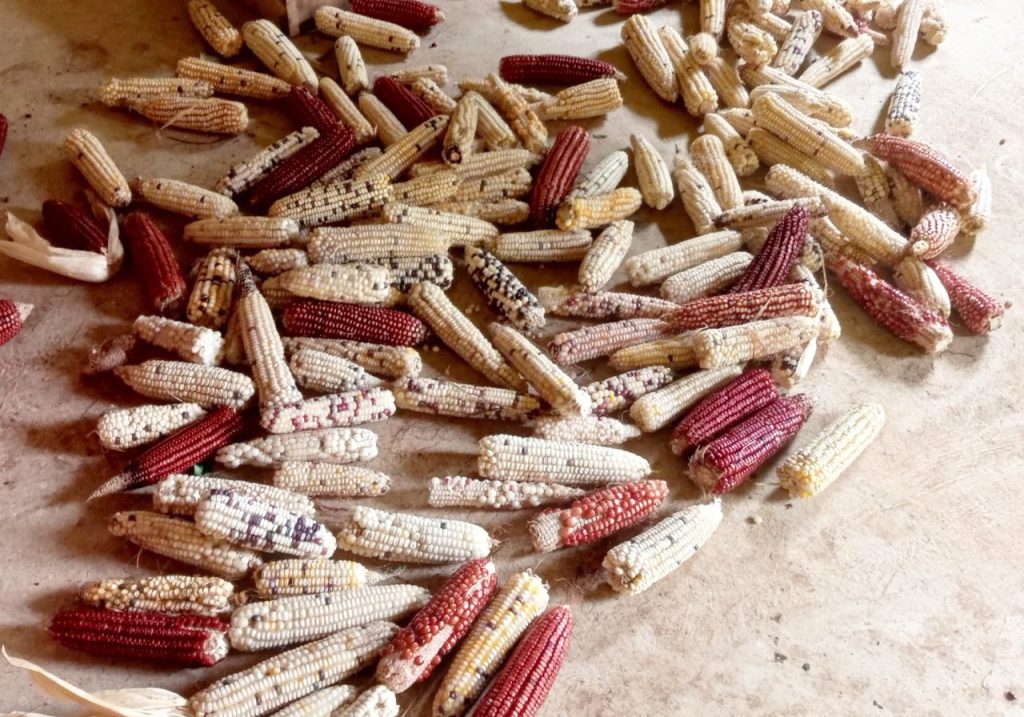
Community Preserved Local Maize Seed Varieties

Community managed seed bank

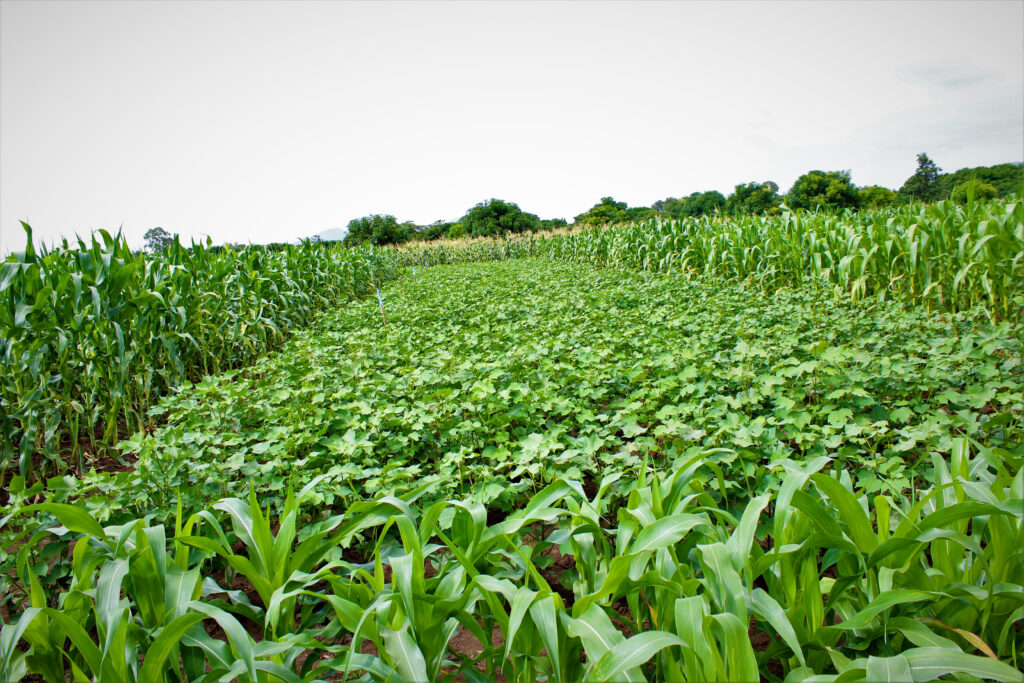
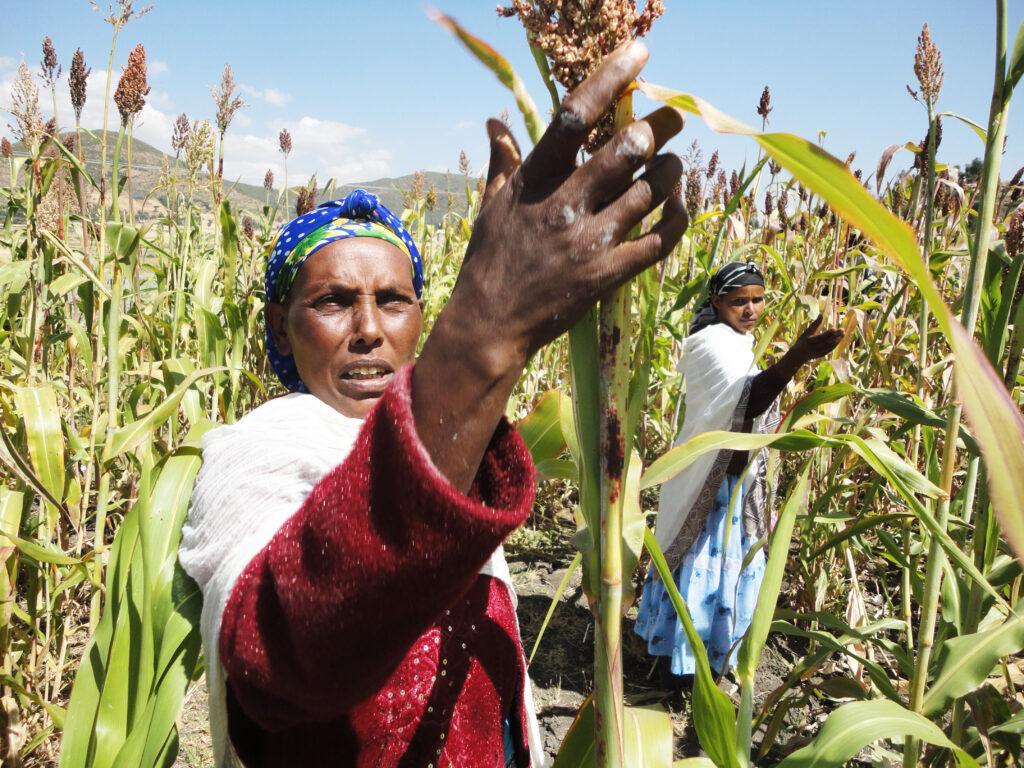
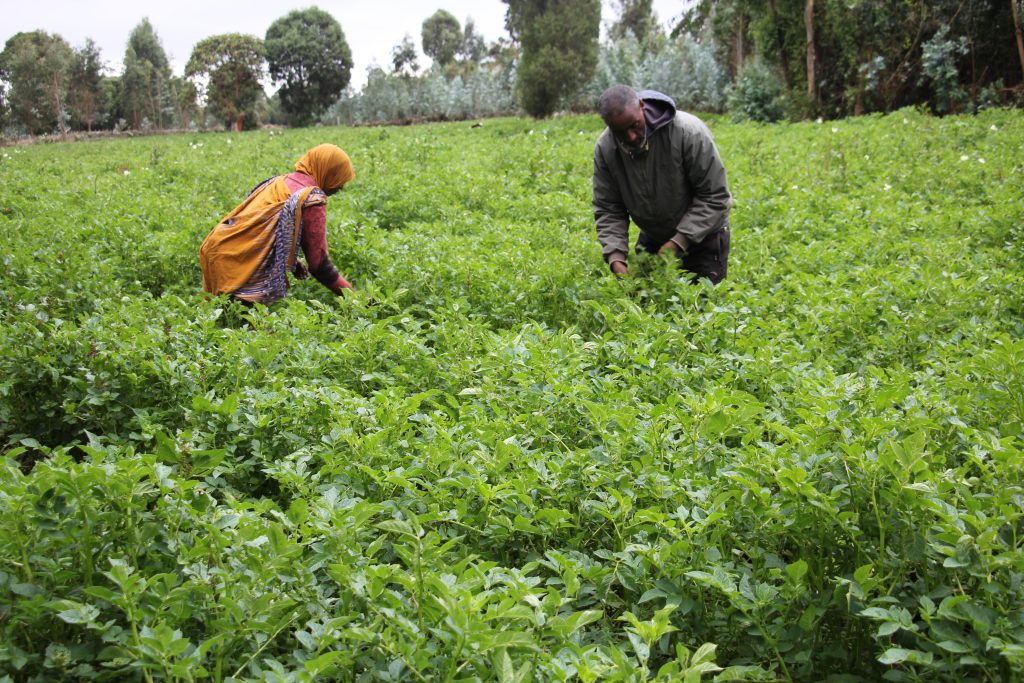
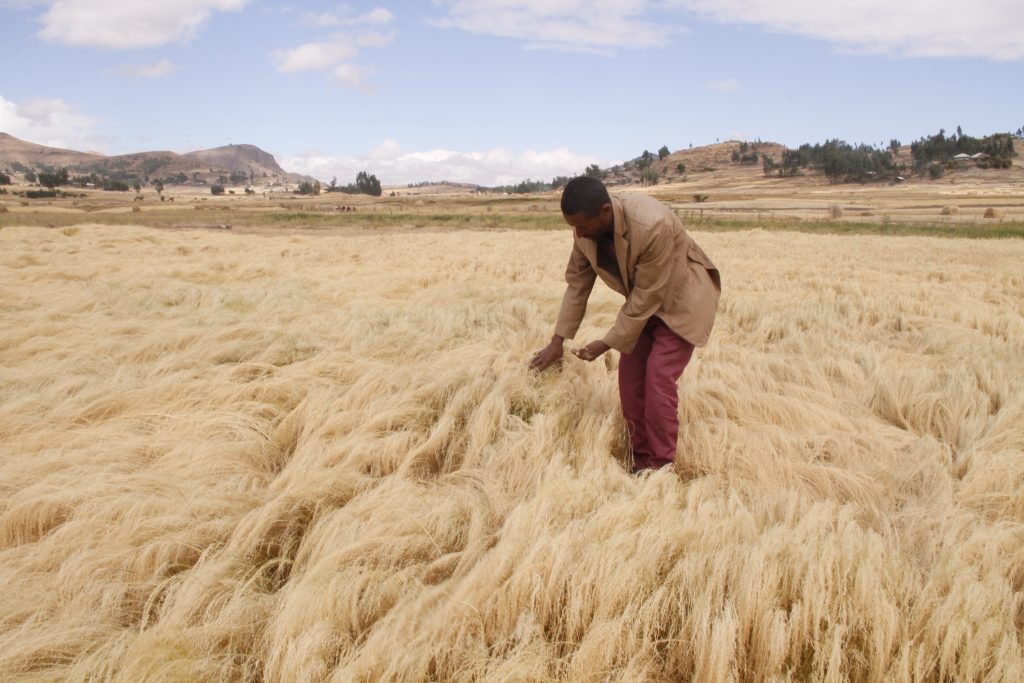
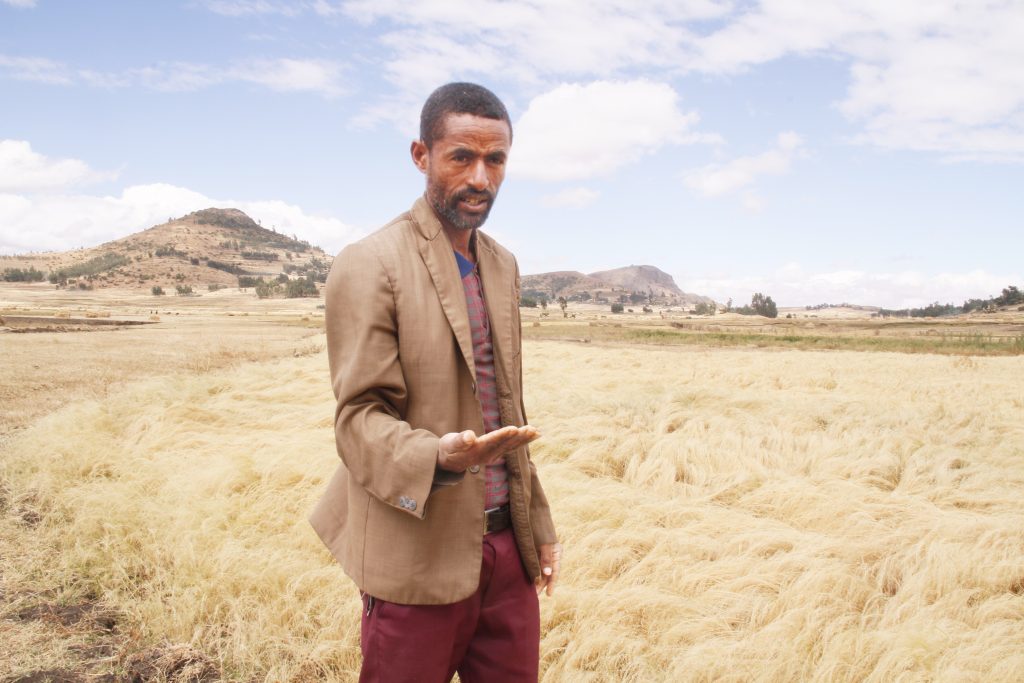
Farmers applying agroecological farming practices

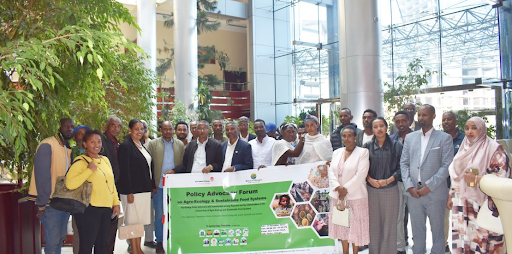
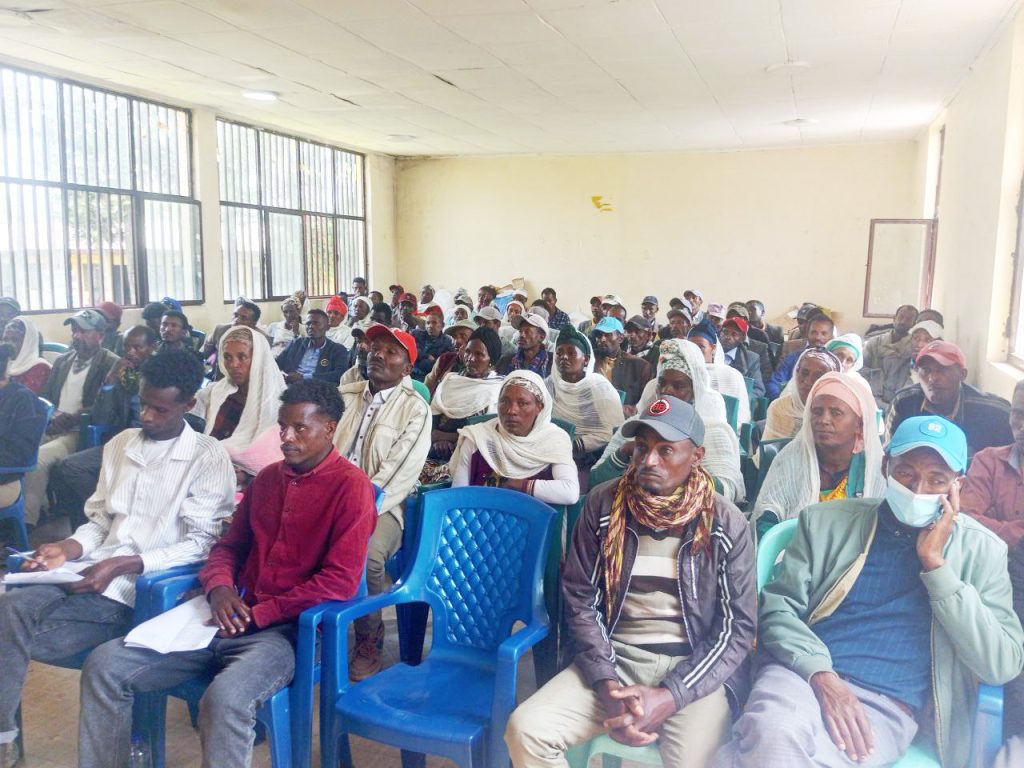
Agroecology Policy advocacy Workshop

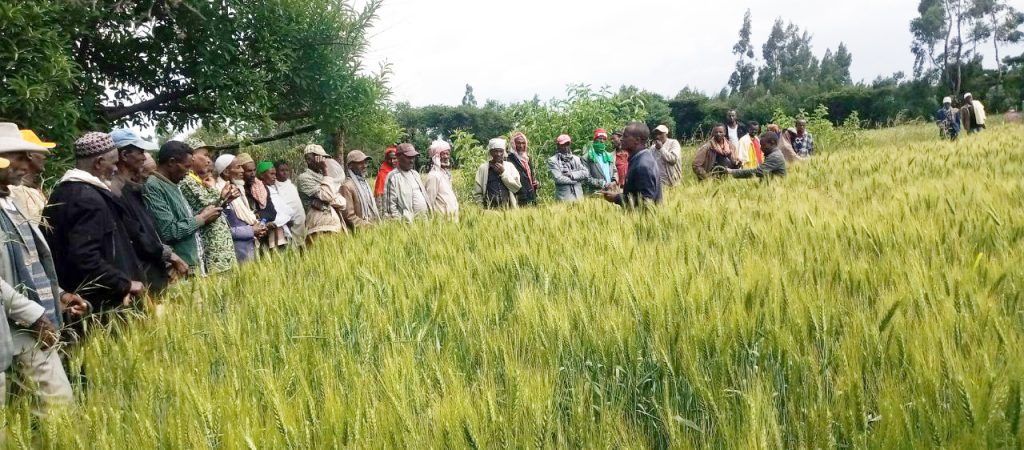
Training and awareness raising on Agroecology

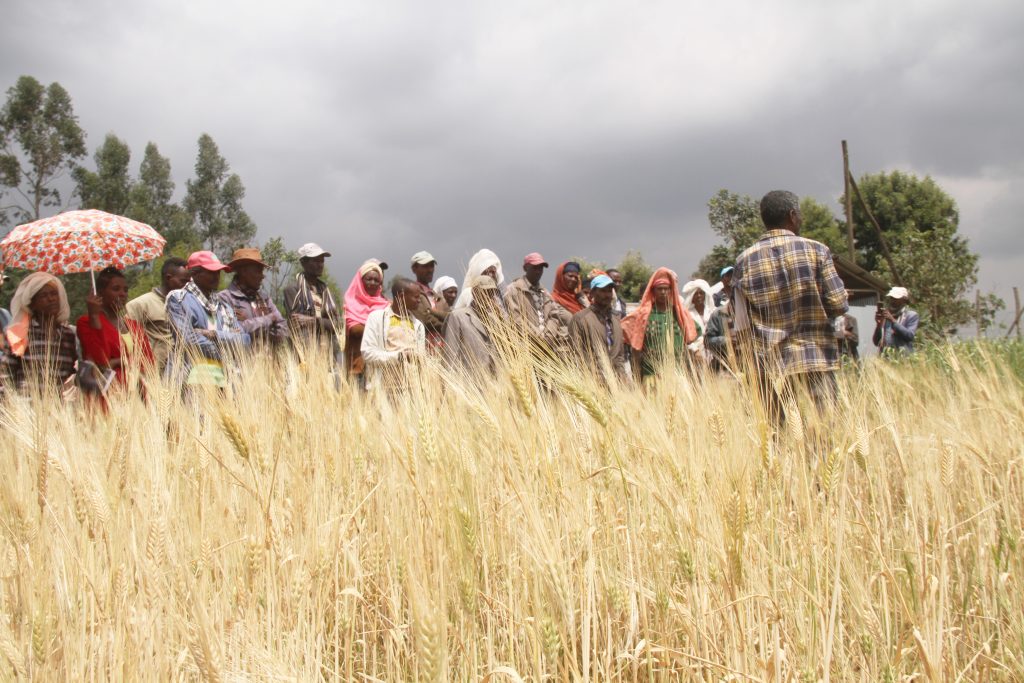
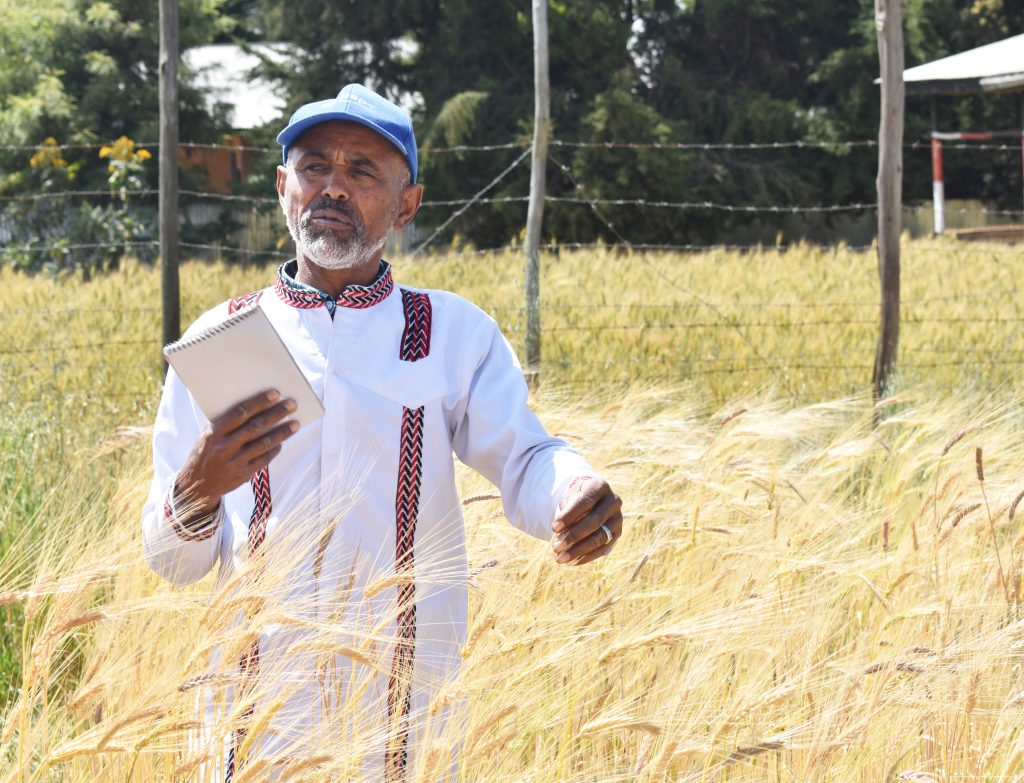
Participatory Variety Selection

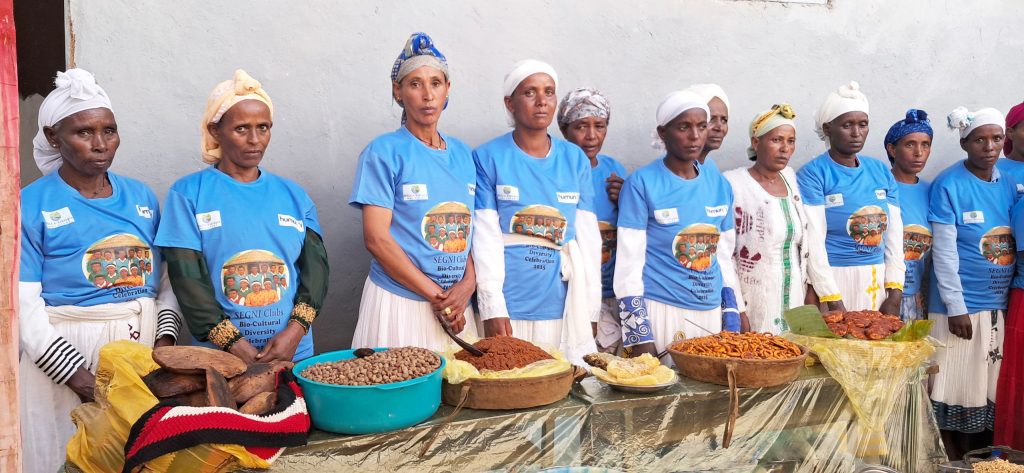
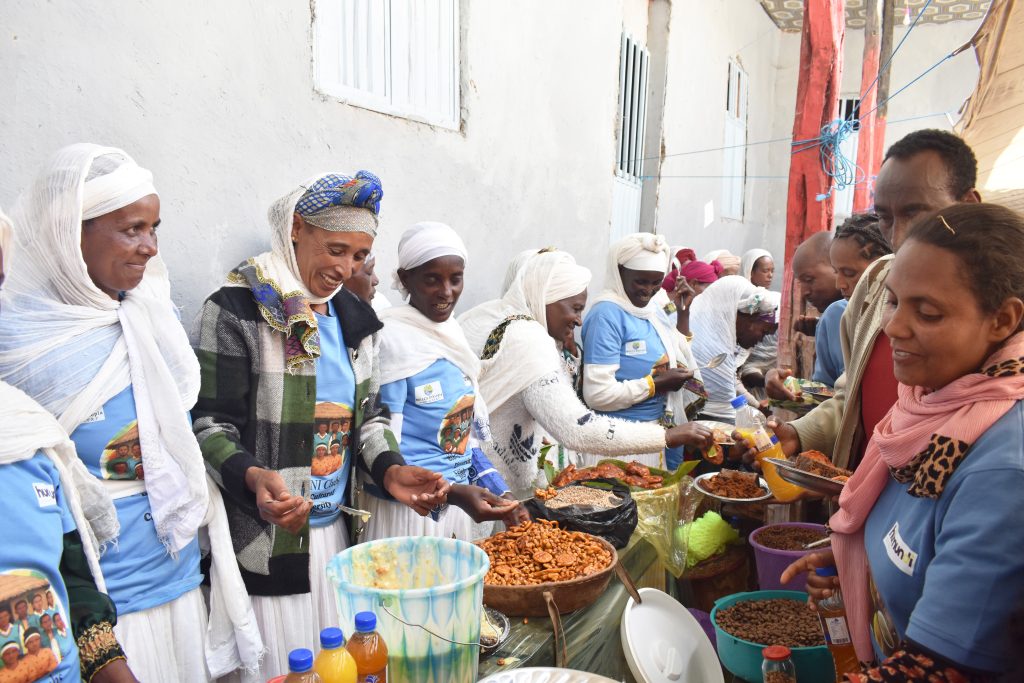
Community Seed & Food Fair

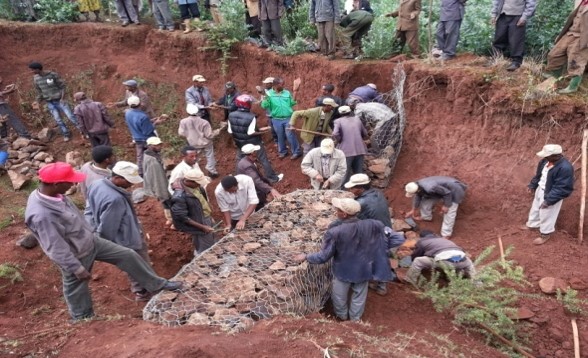
Soil & Water Conservation

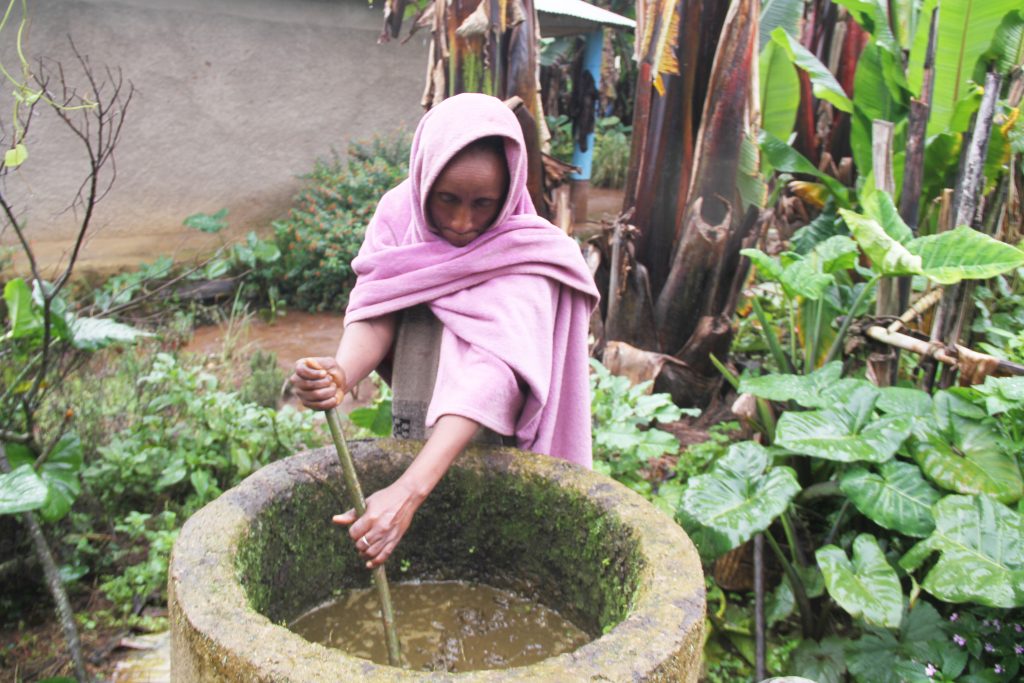
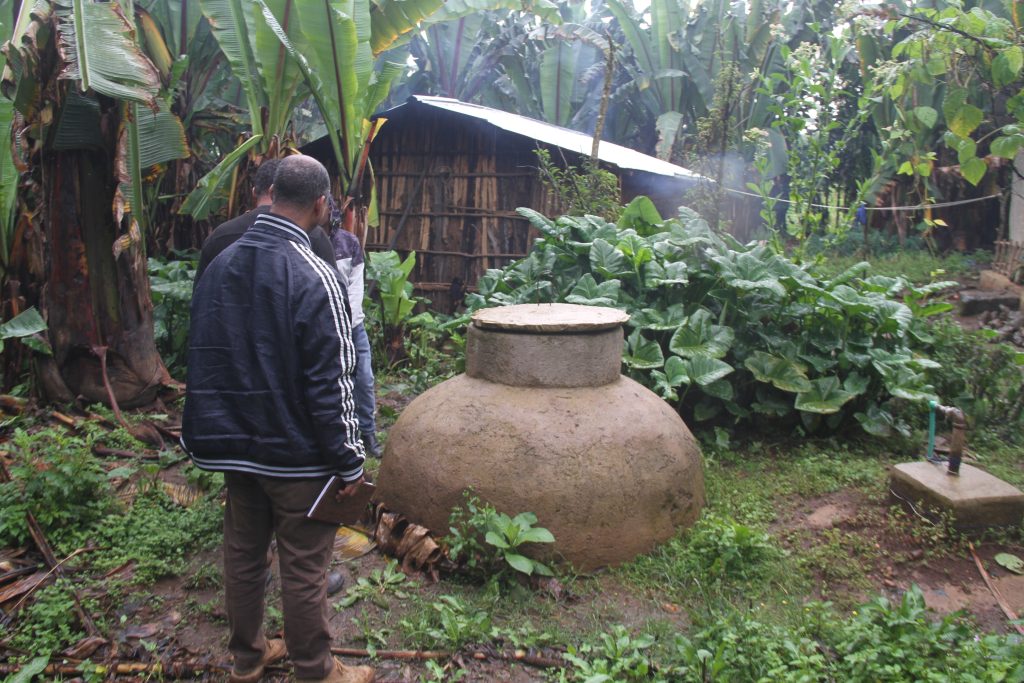
Biogas digesters

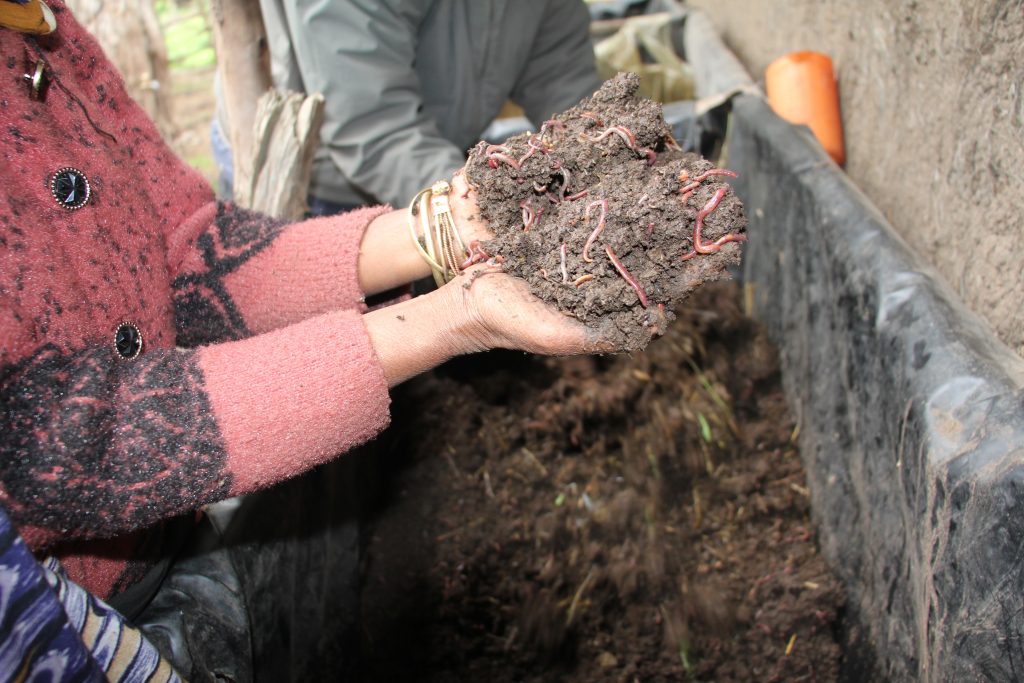
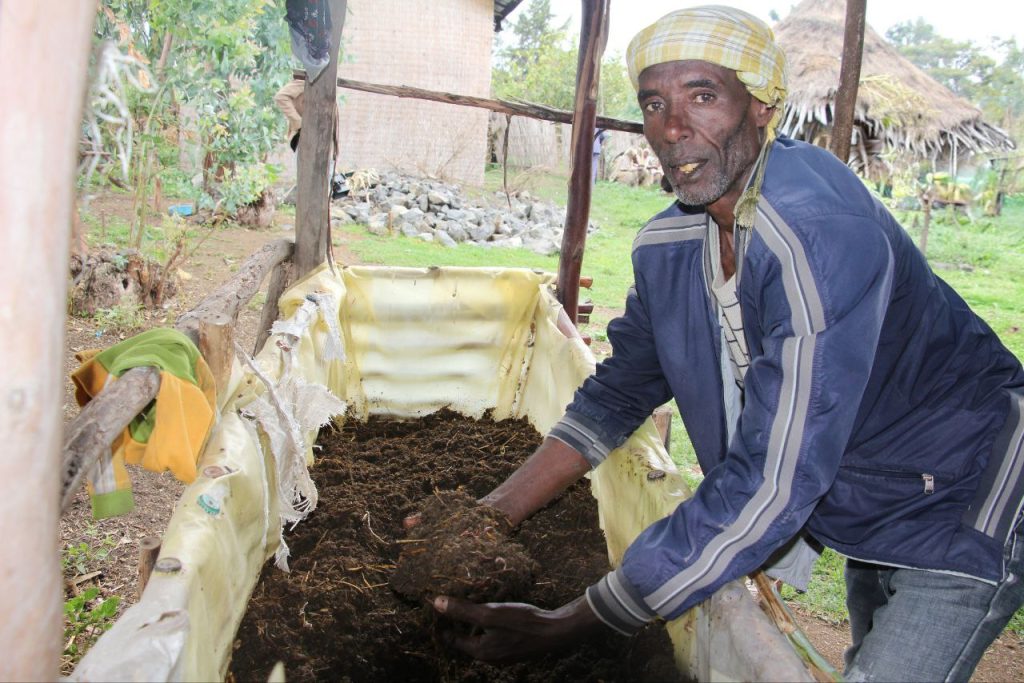
Vermicomposting

Participatory Variety Selection

Farmers applying agroecological farming practices

Traditional healthy Food

Farmers applying agroecological farming practices

Soil & Water Conservation

Vermicomposting

Traditional healthy Food

Biogas digesters

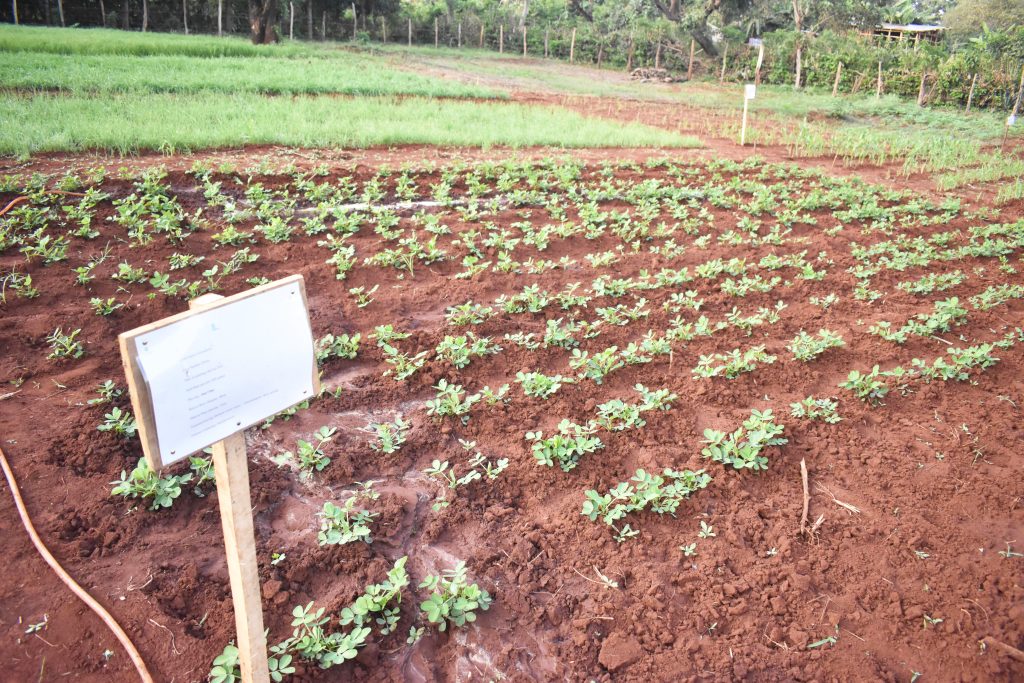
farmers field experiment

Farmers applying agroecological farming practices

Participatory Variety Selection

Community Seed & Food Fair

About the Author

One thought on “Sustainable Food Systems & Agroecology Program”

Leave a Reply

Your email address will not be published. Required fields are marked *

You may also like these