ዩኔስኮ Anywaa Biosphere Reserve ሰይሟል
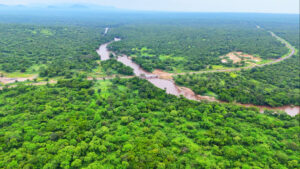
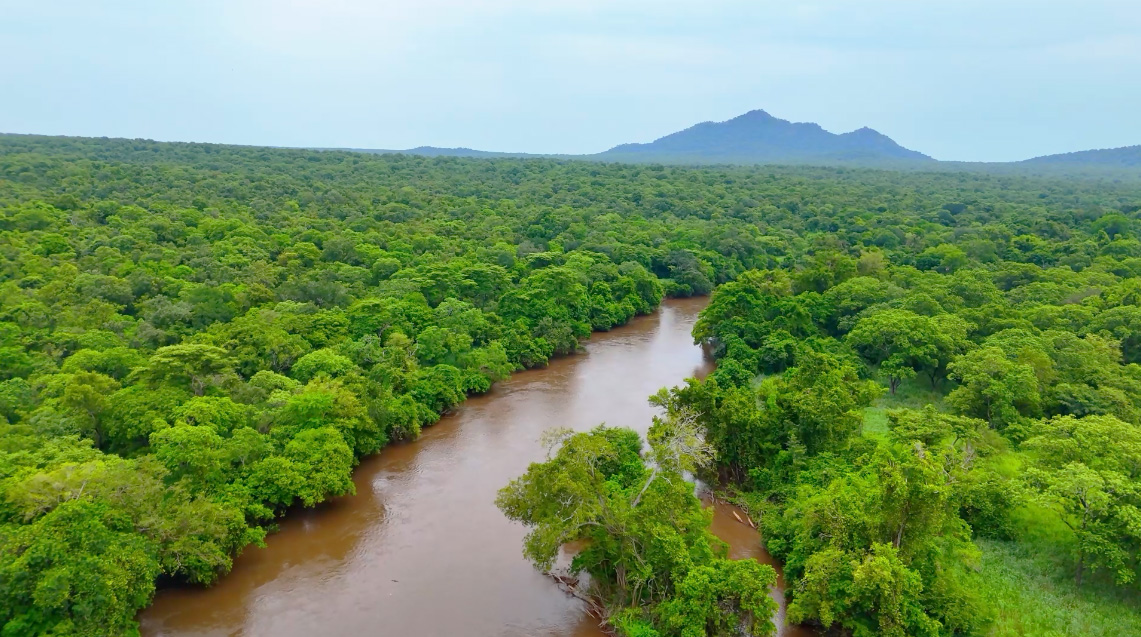
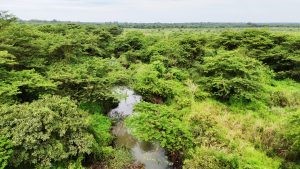
Located in western Ethiopia, where the Baro River weaves through fertile plains and lush forests, the Anywaa Biosphere Reserve has been officially recognized as part of the UNESCO World Network of Biosphere Reserves, a remarkable example of harmony between people and nature. Spanning more than 1.8 million hectares, the reserve holds extraordinary ecological and cultural value. It functions as a vital habitat corridor connecting Ethiopia’s Gambella National Park with South Sudan’s Boma National Park. Within its boundaries, six remarkable ecosystems flourish namely: wooded grasslands, combretum-terminalia woodland, moist afromontane forest, transitional rainforest, riverine vegetation, and floodplain vegetation. These diverse habitats contribute to the region’s unparalleled wealth of landscapes, wildlife, and traditional , ecological wisdom and cultural practices.
Rich Biodiversity
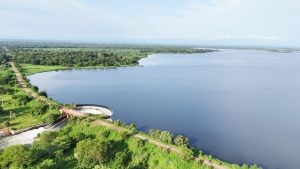
The Reserve is also an avian sanctuary, hosting two globally recognized Important Bird Areas the Baro River and Gambella National Park and is part of one of Africa’s most water-rich regions. Its rivers, including the Baro, Akobo, Gilo, and Alwero, contribute significantly to the Sobat River in South Sudan and ultimately to the Nile (Abbay), where the Alwero dam alone supplies up to 40% of the Nile’s waters. The Reserve also plays an essential role in regional climate change adaptation and mitigation efforts. Its rich biodiversity includes over 1,000 vascular plant species, 69 species of mammals, 327 bird species, 113 fish species, and numerous reptiles and amphibians, many of which are globally threatened and uniquely endemic. With a population exceeding 187,000 people, the Reserve embodies the essence of UNESCO’s vision: protecting biodiversity while fostering sustainable livelihoods.
ዩኔስኮ Anywaa Biosphere Reserve ሰይሟል
ዩኔስኮ Anywaa Biosphere Reserve ሰይሟል
A Living Landscape of People and Nature and and Cultural Heritage
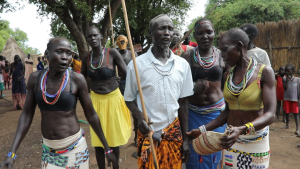
A Living Landscape of People and Nature and and Cultural Heritage For generations, the Anywaa people have lived in close connection with the rivers and lands shaping their daily lives. Farming, fishing, and seasonal movements follow nature’s rhythms, creating a way of life rooted in balance and respect. This Cultural embedded traditional ecological knowledge values system that nourishes nature has harmoniously managed and preserved the environment for many years. The recognition of Anywaa as a UNESCO Biosphere Reserve brings this heritage to international attention. It demonstrates that protecting nature and improving lives can go hand in hand. Local people are not just beneficiaries; they are the main actors leading efforts to care for the land that sustains them.
Collaboration at the Heart of Success
This milestone achievement was made possible through a collaborative effort facilitated by the Nature-based Solutions for Sustainable and Inclusive Development (NSSID) programme, led by Farm Africa and funded by the Embassy of Sweden through SIDA. Key contributors include MELCA–Ethiopia; the Ministry of Agriculture; the Ethiopian Biodiversity Institute; the Gambella Regional State; the Anywaa Zone Administration and local communities; and the National MAB Committee. The process was grounded in dialogue and active participation. Communities contributed to identifying natural resources, planning management zones, and integrating traditional knowledge with modern conservation practices. Through this collaborative approach, they helped shape the reserve’s design, establishing protected core areas, buffer zones, and transition spaces where people can live and work in harmony with nature. .
ዩኔስኮ Anywaa Biosphere Reserve ሰይሟል
ዩኔስኮ Anywaa Biosphere Reserve ሰይሟል
Part of a Global Network
With Anywaa’s biosphere registration, the UNESCO World Network of Biosphere Reserves now includes 784 sites across 142 countries, each demonstrating how people and nature can thrive together through sustainable living. For Ethiopia, this marks the sixth biosphere reserve recognized under UNESCO’s Man and the Biosphere Programme, joining Kafa, Sheka, Yayu, Lake Tana, and Majang. Each offers distinct lessons in conservation and community development from forest protection and eco-friendly farming to preserving indigenous knowledge. The Anywaa Biosphere Reserve also represents a proud milestone for MELCA-Ethiopia, which has played a leading role in facilitating, the designation of
Looking Ahead
The registration of the Anywaa Biosphere Reserve marks a landmark achievement, yet it is the beginning of a long-term journey. Its success depends on sustained, collaborative effort, guided by a comprehensive management plan that actively engages civil society and all stakeholders committed to sustainable development. The continued health of the reserve will rely on community leadership, local monitoring, and inclusive participation, particularly of youth and women, alongside initiatives that generate green employment. Preserving cultural traditions the songs, stories, and ceremonies that teach respect for nature remains equally vital. These practices are central to the community’s identity and serve as powerful instruments for environmental stewardship.