This project is a holistic, community-centered initiative implemented in seven rural kebeles of Adaba District, Ethiopia, designed to tackle the interconnected challenges of poverty, climate vulnerability, environmental degradation, and limited social services. By integrating sustainable livelihoods, agro-ecological farming, forest and biodiversity conservation, clean energy solutions, and population–health–environment (PHE) education, the project aims to strengthen the resilience and well-being of some of the most vulnerable rural communities.
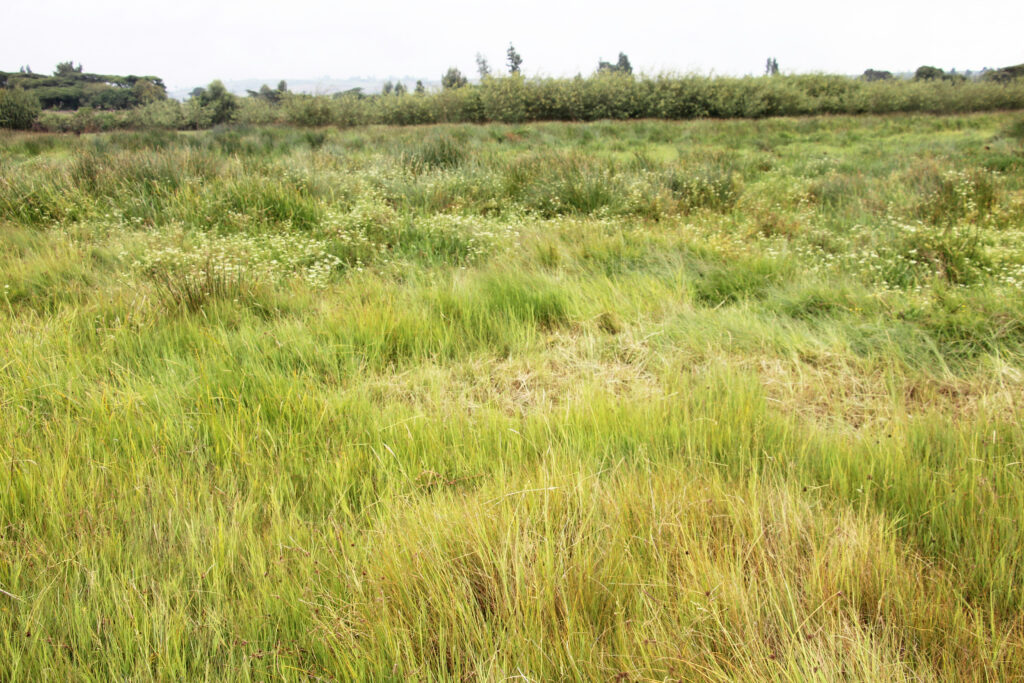
Smallholder farmers in Adaba largely depend on rain-fed subsistence agriculture, practiced on shrinking and degraded landholdings. Climate change manifesting through droughts, floods, pests, and diseases has made food production increasingly unreliable, trapping households in chronic poverty and food insecurity..
At the same time, youth and women, many of whom have little or no access to land, face severe livelihood constraints. With limited alternatives, many resort to illegal harvesting of forest resources or migrate to towns in search of work both of which create serious environmental and social consequences, including deforestation, biodiversity loss, urban poverty, and increased vulnerability of girls and young women.
These challenges are further compounded by:
- Erosion of local seed diversity and traditional farming knowledge due to reliance on hybrid seeds and agro-chemicals
- Increasing pressure on highland forests bordering the Bale Mountains National Park
- Heavy dependence on biomass energy, accelerating forest degradation
- High population growth, low reproductive health awareness, and barriers to girls’ education
Together, these factors undermine livelihoods, ecosystems, and long-term development prospects not only in Adaba, but also for downstream communities that depend on the area’s critical water systems.
The project addresses these challenges through four interlinked focus areas:
Our Approach
1. Sustainable and Alternative Livelihoods
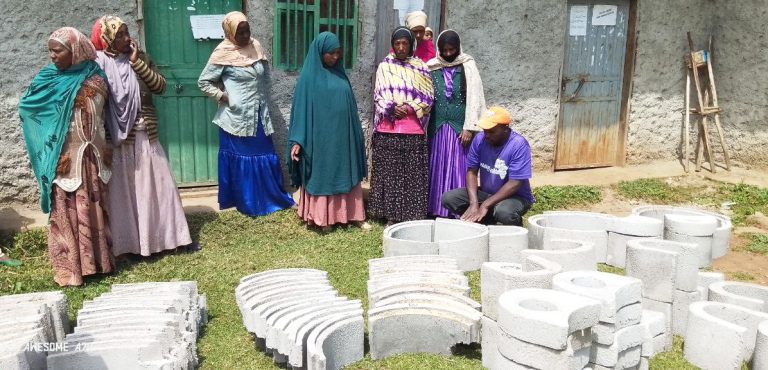
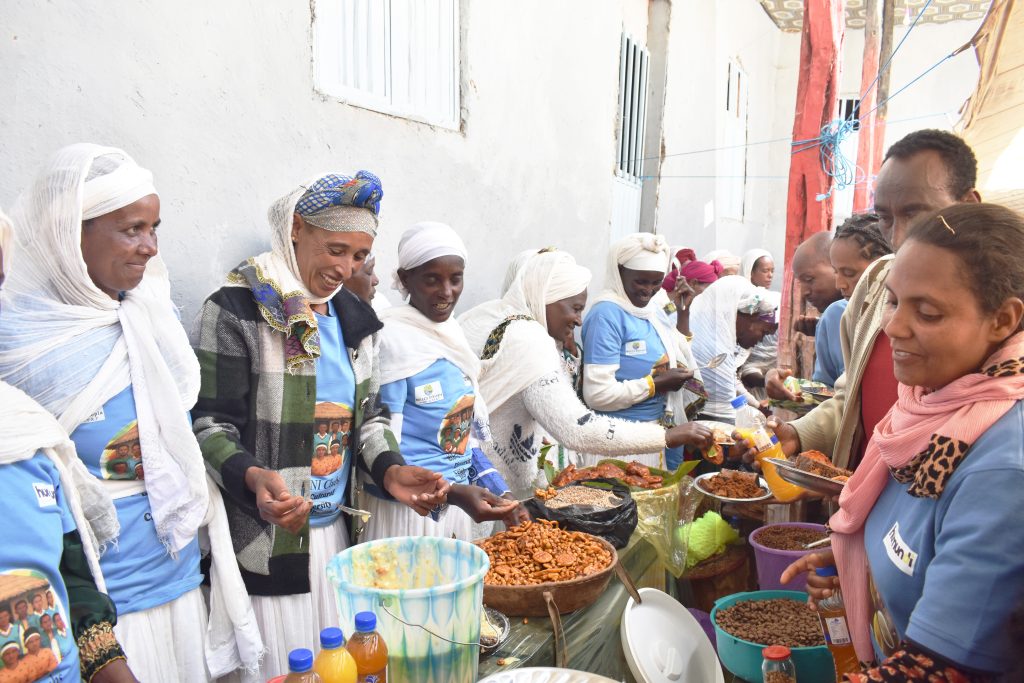
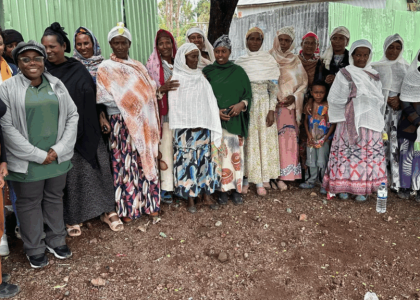
The project supports smallholder farmers, youth, and women to diversify their income through eco-friendly on-farm and off-farm livelihood options. This includes organizing women into self-help groups, strengthening business and marketing skills, improving access to finance, and creating market linkages—reducing dependency on forests while increasing household income.
2. Agro-Ecological Farming and Seed Sovereignty
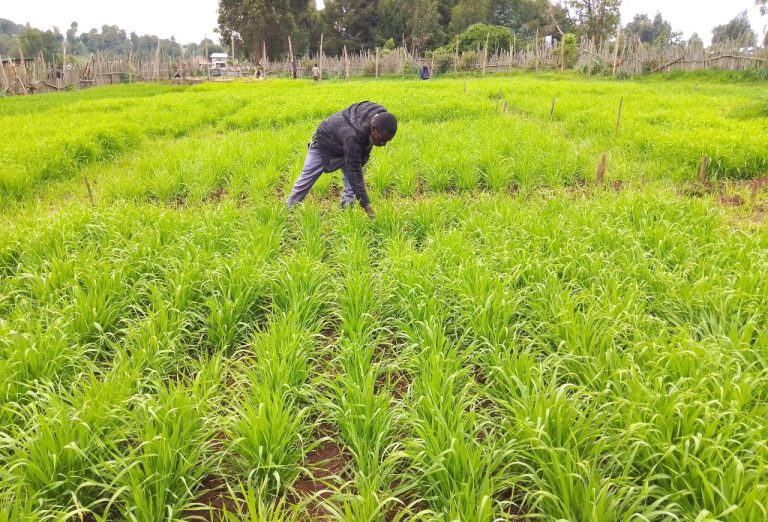
Working closely with farmers and local institutions, the project promotes agro-ecological practices that restore soil fertility, enhance crop diversity, and improve resilience to climate shocks. Displaced local seed varieties are restored, community seed banks and demonstration sites are established, and farmers’ traditional knowledge is revitalized contributing to sustainable, nutritious food systems rooted in local ecosystems.
3. Forest, Biodiversity, and Clean Energy Conservation
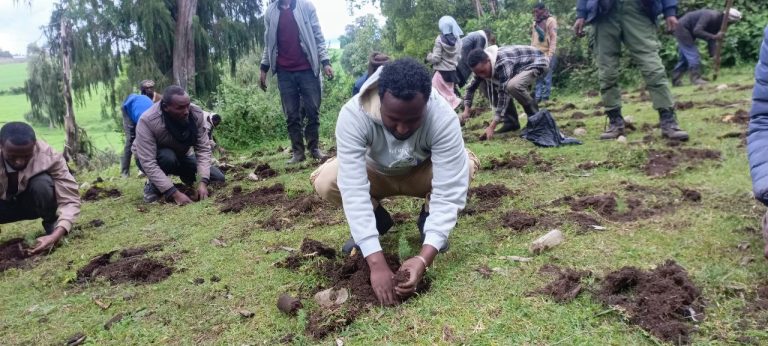
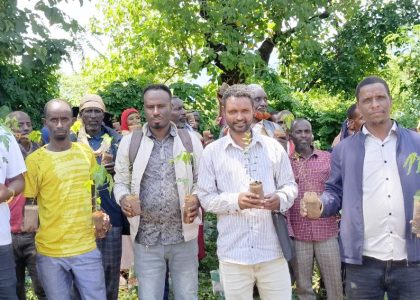
In partnership with Participatory Forest Management Associations (PFMAs), the project strengthens community-led forest governance, supports enrichment planting and nursery development, and promotes energy-saving and clean energy technologies. These efforts reduce deforestation pressure, protect biodiversity, and safeguard the Bale Mountains’ vital ecological and hydrological functions.
4. Education and Population–Health–Environment (PHE) Integration
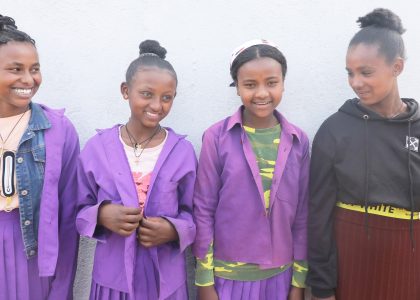
Recognizing the strong links between population dynamics, education, health, and environmental sustainability, the project enhances PHE awareness among communities and school children. It improves girls’ access to education through better learning environments and essential materials, strengthens school-based PHE clubs, and works with health institutions to improve reproductive health and family planning knowledge and services.
Who Benefits
- 1,250 smallholder farmer households (approximately 6,250 people)
- 580 youth and women engaged in income-generating activities
- 480 school children, with a strong focus on girls
- 12 Participatory Forest Management Associations (over 1,500 members)
- Teachers, health extension workers, and development agents who act as multipliers of change
Expected Impact
- 1,250 smallholder farmer households (approximately 6,250 people)
- 580 youth and women engaged in income-generating activities
- 480 school children, with a strong focus on girls
- 12 Participatory Forest Management Associations (over 1,500 members)
- Teachers, health extension workers, and development agents who act as multipliers of change