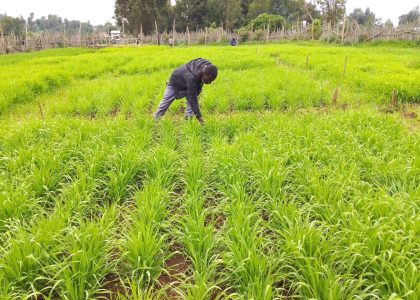
Enhancing the Resilience Capacity of Smallholder Farmers in Welmera Woreda
Welmera District
Status
Period
2022-2026
Location
Welmera Woreda, Oromia Regional State
Region
Focus Areas
Sustainable food system & Agro-ecology, Eco-friendly livelihood, Traditional Ecological Knowledge – SEGNI, Environmental Rehabilitation
Project Overview
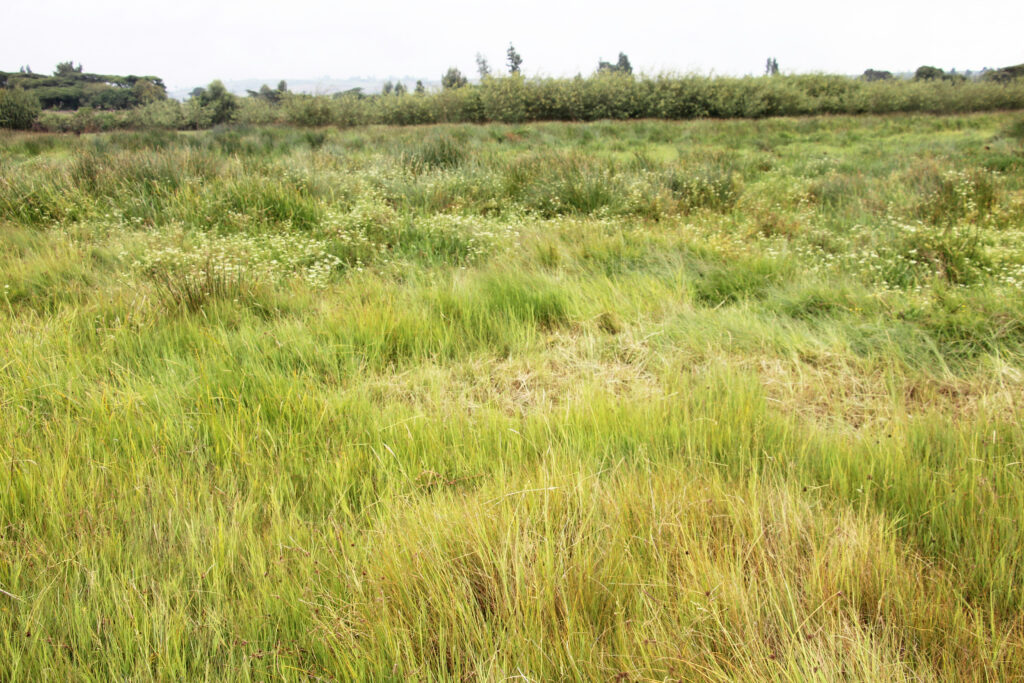
In the highlands west of Addis Ababa, smallholder farmers in Welmera Woreda are facing a quiet crisis. Once rich in forests, diverse local seed varieties, and resilient farming systems, the landscape has gradually shifted toward degraded land, shrinking biodiversity, and rising vulnerability to climate change. Families who depend almost entirely on agriculture are producing less, spending more on chemical inputs, and struggling to secure nutritious food and stable incomes.
The “Enhancing the Resilience Capacity of Smallholder Farmers in Welmera Woreda” project was designed to respond directly to this reality by rebuilding what has been lost and strengthening what still exists.
Funded by Hummundi & Implemented by MELCA-Ethiopia, the project builds on years of community-based work in Welmera and focuses on transforming agriculture through agro-ecological practices, restoration of local seed systems, and eco-friendly livelihood opportunities. Rather than introducing short-term fixes, the project supports farmers, women, youth, and students to regain control over their food systems, livelihoods, and natural resources.
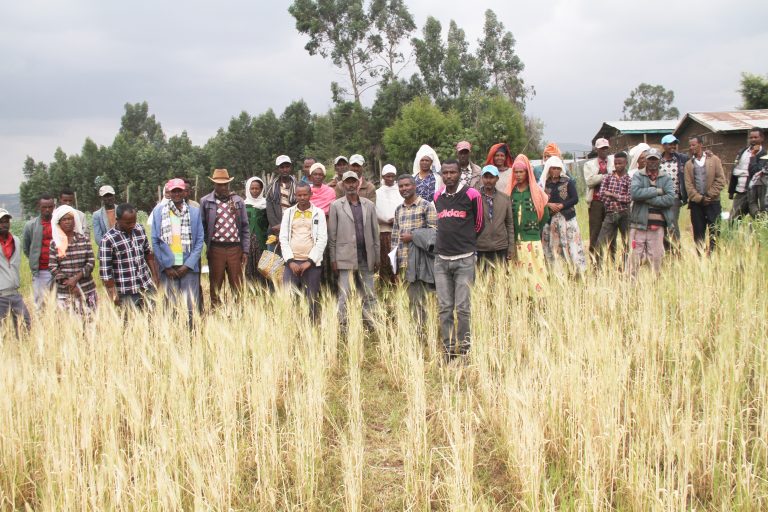
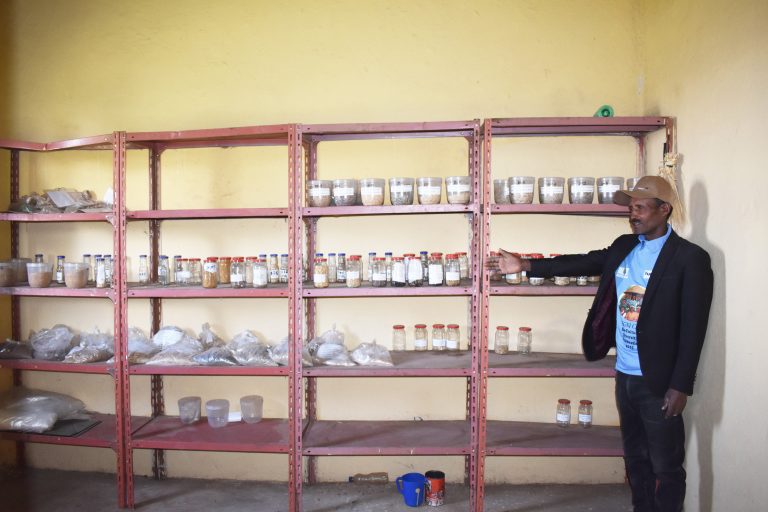
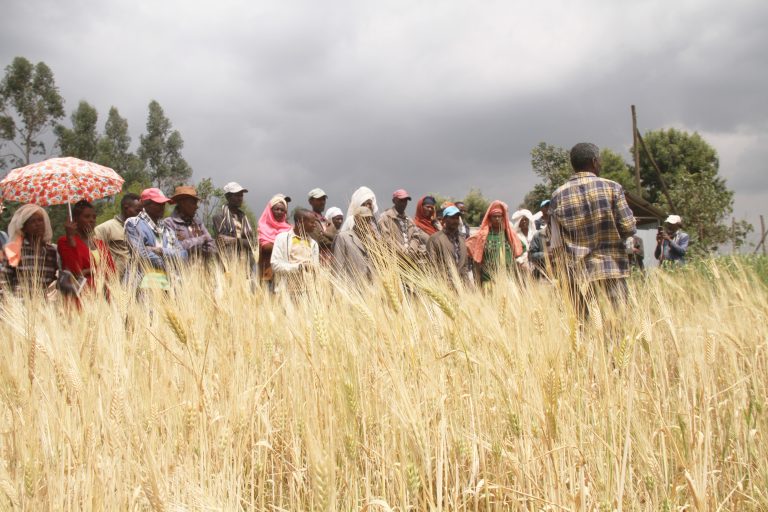
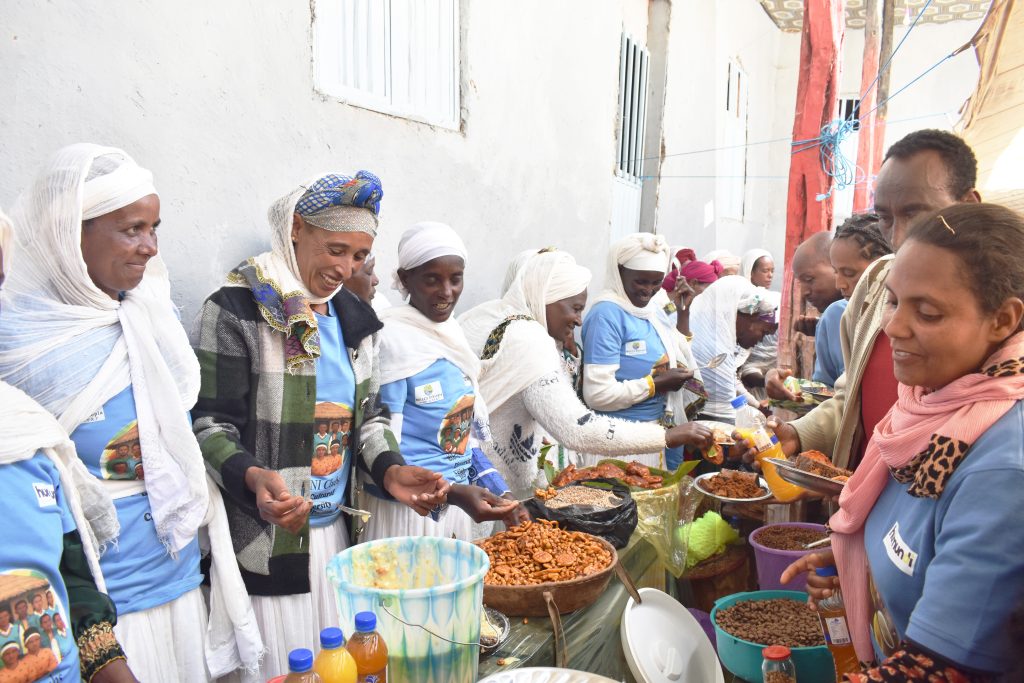
At the heart of the project are 600 smallholder farming households, supported to shift toward agro-ecology using locally adapted seed varieties, organic soil fertility management, and diversified cropping systems. By strengthening a community-managed seed bank and farmer cooperative, the project improves access to nutritious, climate-resilient seeds while also addressing a critical gap, market access. Farmers are supported not only to produce healthy food, but to sell it under fairer conditions, raising household incomes and reducing dependence on costly external inputs.
The project also tackles unemployment and economic exclusion by supporting women and youth to engage in eco-friendly income-generating activities. Women’s self-help groups are strengthened to build savings, access credit, and run small businesses of their choice, while youth are supported through vocational training and green enterprises such as fuel-saving stove production.
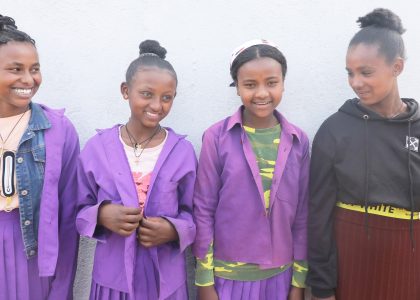
Recognizing that long-term change depends on the next generation, the project invests heavily in children and youth empowerment through the SEGNI (Social Empowerment through Group and Nature Interaction) approach. Through school clubs and experiential learning, students deepen their understanding of nature, culture, and traditional ecological knowledge, becoming active eco-advocates within their communities.
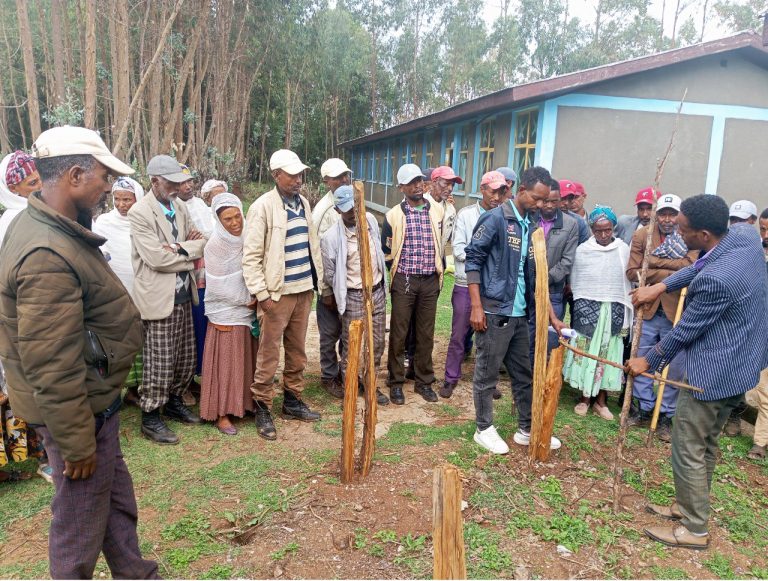
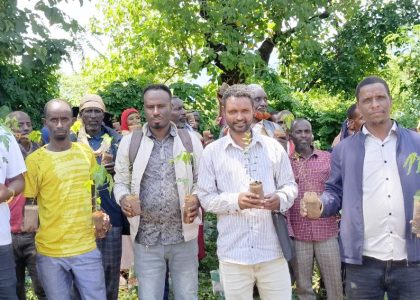
Environmental rehabilitation is woven throughout the project. Degraded lands are restored through soil and water conservation measures, thousands of indigenous and multipurpose trees are planted, and households are supported to adopt renewable energy solutions that reduce pressure on remaining forest resources. Over its four-and-a-half-year implementation period (2022–2026), the project works closely with local government institutions to strengthen technical capacity, ensure alignment with public systems, and embed sustainability beyond the project lifespan.
Ultimately, this initiative is about resilience—of farmers, ecosystems, and communities. By reconnecting agriculture with ecology, livelihoods with dignity, and young people with their bio-cultural heritage, the project contributes to a future where rural families in Welmera can thrive while safeguarding the land they depend on.

Funded by Hummundi & Implemented by MELCA-Ethiopia, the project builds on years of community-based work in Welmera and focuses on transforming agriculture through agro-ecological practices, restoration of local seed systems, and eco-friendly livelihood opportunities. Rather than introducing short-term fixes, the project supports farmers, women, youth, and students to regain control over their food systems, livelihoods, and natural resources.
At the heart of the project are 600 smallholder farming households, supported to shift toward agro-ecology using locally adapted seed varieties, organic soil fertility management, and diversified cropping systems. By strengthening a community-managed seed bank and farmer cooperative, the project improves access to nutritious, climate-resilient seeds while also addressing a critical gap, market access. Farmers are supported not only to produce healthy food, but to sell it under fairer conditions, raising household incomes and reducing dependence on costly external inputs.
The project also tackles unemployment and economic exclusion by supporting women and youth to engage in eco-friendly income-generating activities. Women’s self-help groups are strengthened to build savings, access credit, and run small businesses of their choice, while youth are supported through vocational training and green enterprises such as fuel-saving stove production.
Recognizing that long-term change depends on the next generation, the project invests heavily in children and youth empowerment through the SEGNI (Social Empowerment through Group and Nature Interaction) approach. Through school clubs and experiential learning, students deepen their understanding of nature, culture, and traditional ecological knowledge, becoming active eco-advocates within their communities.
Environmental rehabilitation is woven throughout the project. Degraded lands are restored through soil and water conservation measures, thousands of indigenous and multipurpose trees are planted, and households are supported to adopt renewable energy solutions that reduce pressure on remaining forest resources. Over its four-and-a-half-year implementation period (2022–2026), the project works closely with local government institutions to strengthen technical capacity, ensure alignment with public systems, and embed sustainability beyond the project lifespan.
Ultimately, this initiative is about resilience—of farmers, ecosystems, and communities. By reconnecting agriculture with ecology, livelihoods with dignity, and young people with their bio-cultural heritage, the project contributes to a future where rural families in Welmera can thrive while safeguarding the land they depend on.
Stories of Impact from the Project
“The Springs Flow Again, and So
The Springs Flow Again, and So Does Our Hope The Springs Flow Again, and So Does Our Hope Talila Hawusho,...
“Finding My Voice in Advocating for
Semira proudly explains how the program shaped her eco-advocacy Semira proudly explains how the program shaped her eco-advocacy: “Through SEGNI,...
“A Brighter Future for My Family
Mr Abdurahman Aman with his wife in their backyard Abdurahman Aman, a 45-year-old farmer from Karari Kebele in Dinsho District,...
Media Gallery


Videos
News
Local Seed and Food Fair with
MELCA Ethiopia organized a combined Local Seed and Food Fair and Youth Biocultural Diversity Celebration on November 18, 2025, in...